Category: Uncategorized

  • Dubai Car Market Explained: 10 Powerful Reasons Ras Al Khor Dominates Used Car Market

    Dubai Car Market Explained: 10 Powerful Reasons Ras Al Khor Dominates Used Car Market

    The Dubai car market is one of the most active and diverse automotive ecosystems in the region, attracting buyers, sellers, dealers, and exporters from across the UAE and beyond. Whether someone is looking to buy a used car, trade vehicles in volume, or export cars internationally, Dubai offers a level of choice, price competition, and market transparency that few cities can match. This constant movement of vehicles is what makes the market fast, dynamic, and highly opportunity driven.

    At the center of this ecosystem sits the Ras Al Khor car market, a location that has evolved into the backbone of used car trading in Dubai. Over the years, Ras Al Khor has grown from a cluster of showrooms into a fully developed automotive hub where hundreds of licensed dealers operate side by side. For anyone navigating the Dubai car market, Ras Al Khor is often where real pricing, real inventory, and real market demand become visible in one place.

    What makes the Ras Al Khor car market especially important is the role it plays in shaping the wider used car landscape. From affordable daily drivers and family vehicles to luxury models, commercial units, and export-ready cars, the Ras Al Khor used car market reflects how supply and demand move across Dubai in real time. Buyers benefit from direct access to dealers, sellers benefit from high footfall and serious inquiries, and the market itself remains competitive due to volume and transparency.

    This guide breaks down how the Dubai car market actually works, why Ras Al Khor became its core trading zone, and what buyers and sellers should understand before entering the market. Whether you are planning to buy used car in Dubai, compare prices, or simply understand where most transactions happen, this article explains the structure, behavior, and realities of Dubai’s automotive marketplace from the ground up.

    1. How the Dubai Car Market Is Structured
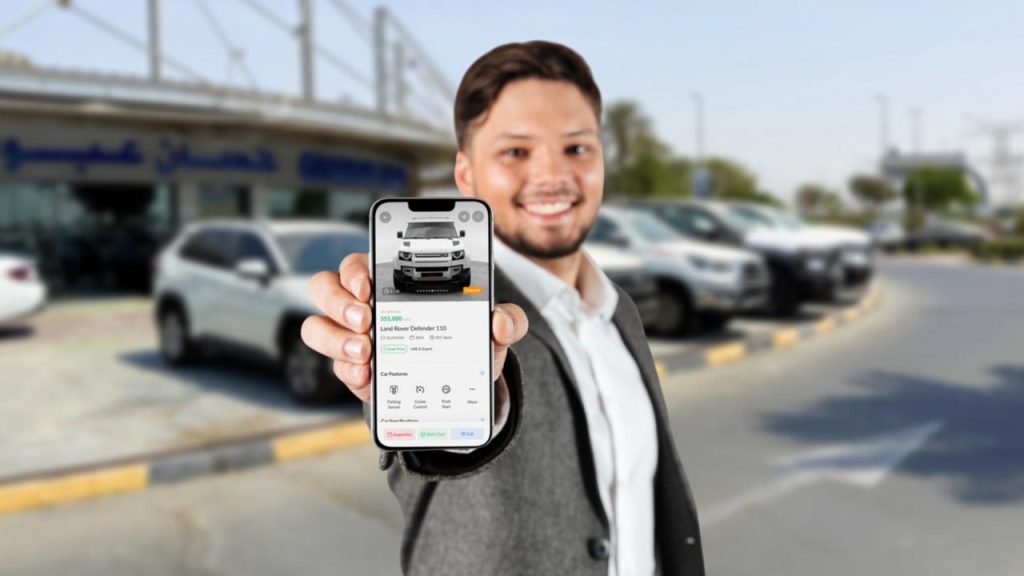
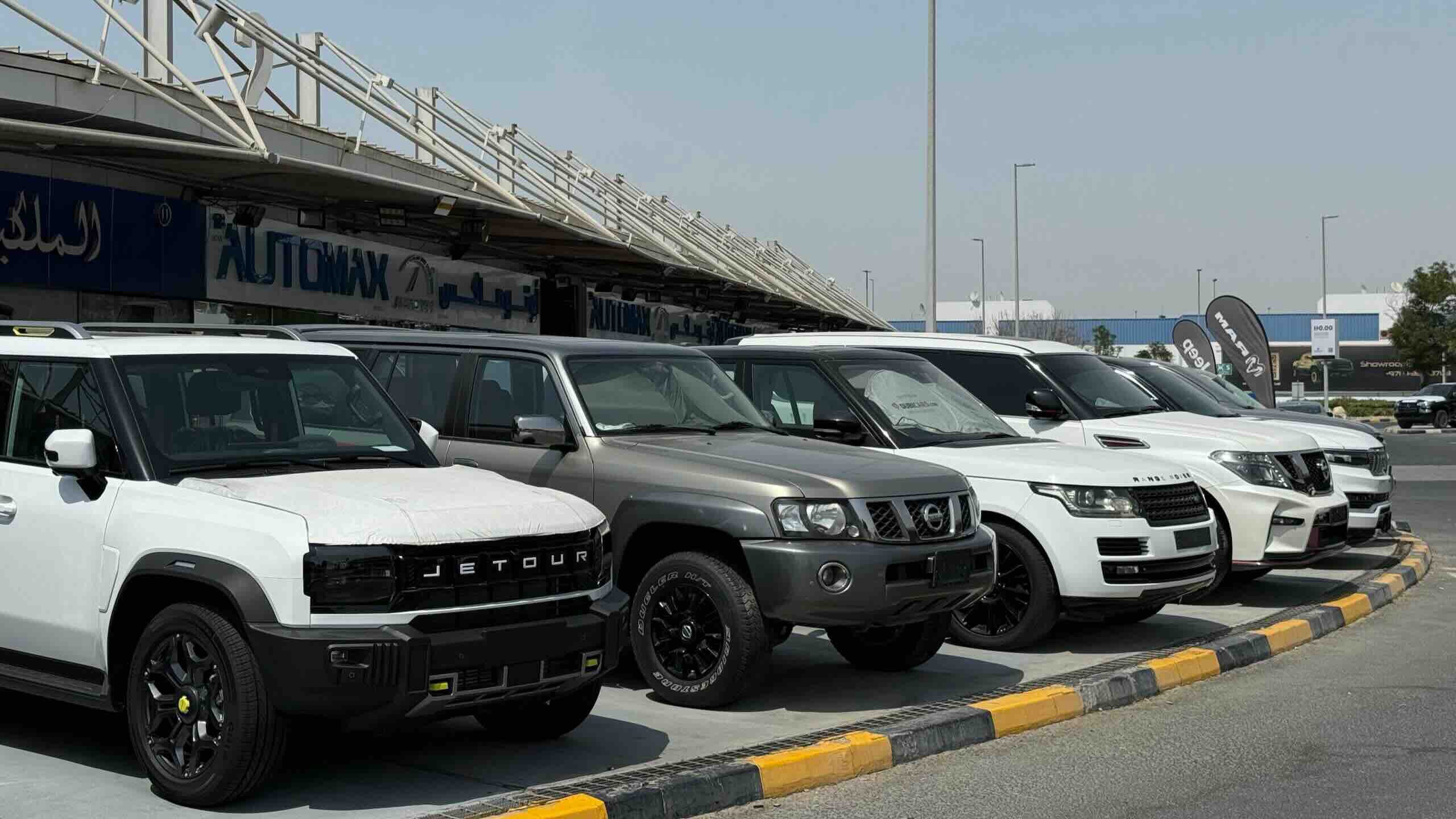
    A man holding his phone while browsing cars available at Ras Al Khor car market.

    The Dubai car market is not a single marketplace or platform. It is a layered ecosystem made up of physical markets, dealerships, online platforms, private sellers, exporters, and regulatory authorities. Understanding how these parts work together is essential for anyone planning to buy, sell, or trade vehicles in Dubai.

    Physical Car Markets vs Showrooms

    At the foundation of the Dubai car market are physical automotive zones where licensed dealers operate from permanent showrooms. These areas allow buyers to physically inspect cars, compare prices, negotiate directly, and complete transactions under regulated conditions.

    The most influential of these zones is the Ras Al Khor car market, which has become the primary hub for used car trading in Dubai. Unlike isolated dealerships scattered across the city, Ras Al Khor concentrates hundreds of dealers in one location, creating real-time price competition and high inventory turnover.

    This structure benefits buyers because:

    • Prices reflect actual market demand, not inflated listings
    • Multiple options can be compared in a single visit
    • Dealers compete openly for serious buyers

    That is why the Ras Al Khor car market plays such a central role in shaping used car prices across Dubai.

    The Role of Dealers in the Market

    Licensed dealers are the backbone of the Ras Al Khor used car market. Every showroom operates under a valid trade license and must follow Dubai Roads and Transport Authority RTA regulations for ownership transfer, inspection, and documentation.

    Dealers typically handle:

    • Vehicle sourcing and trade-ins
    • RTA inspection and passing tests
    • Ownership transfer coordination
    • Insurance and registration support

    This makes the dealer-driven segment of the Dubai car market more structured and predictable compared to private sales.

    Online Platforms as Market Extensions

    Online listings do not replace physical markets in Dubai, they extend them. Many dealers operating in the Ras Al Khor car market also list their vehicles online to attract buyers before they visit in person.

    This allows buyers to:

    • Research prices in advance
    • Shortlist vehicles
    • Compare inventory across multiple dealers

    However, the final transaction almost always happens offline through physical inspection and RTA processes, reinforcing the importance of physical markets within the Dubai car market.

    Private Sellers and Their Limitations

    Private sellers exist in the Dubai car market, but they represent a smaller and more fragmented segment. While private listings may sometimes appear cheaper, they often lack:

    • Inspection readiness
    • Negotiation flexibility
    • Transfer support
    • Warranty or post-sale accountability

    This is why many buyers eventually gravitate toward the Ras Al Khor car market, where transactions are faster, more transparent, and easier to complete.

    Export and Wholesale Activity

    Another defining feature of the Dubai car market is export activity. Dubai serves as a global re-export hub, and the Ras Al Khor used car market is one of the main sourcing points for vehicles shipped to Africa, Asia, and Eastern Europe.

    Export demand:

    • Keeps inventory moving
    • Prevents stagnation of used stock
    • Helps stabilize prices

    This constant movement is a major reason why used cars in Dubai retain liquidity and value.

    Why Structure Matters for Buyers

    For anyone planning to buy used car in Dubai, understanding this structure prevents common mistakes. Knowing where prices are formed, who controls inventory, and how transactions flow helps buyers avoid overpaying, spot unrealistic listings, and focus on serious sellers.

    The Dubai car market works best for buyers who understand where the real activity happens, and in most cases, that activity leads back to Ras Al Khor.

    2. Why Ras Al Khor Became the Heart of the Dubai Car Market
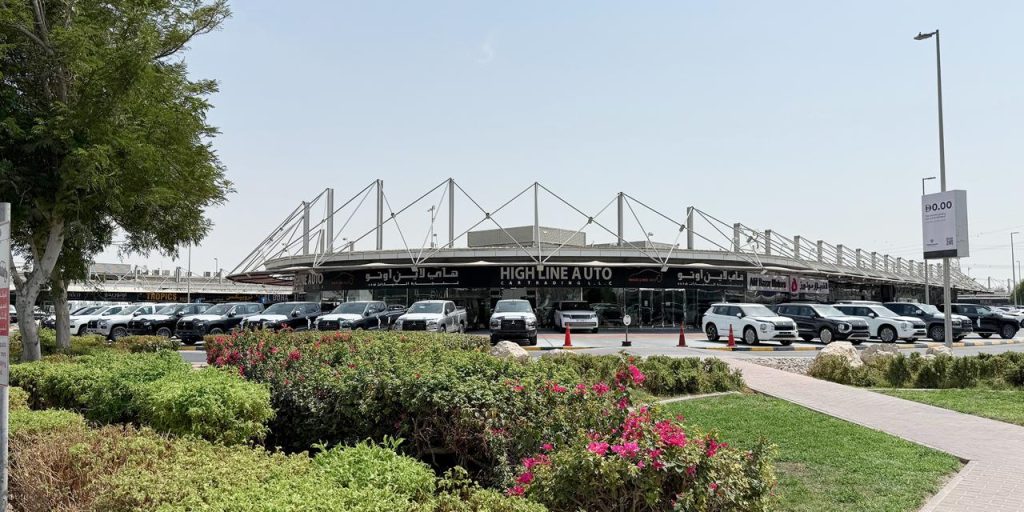
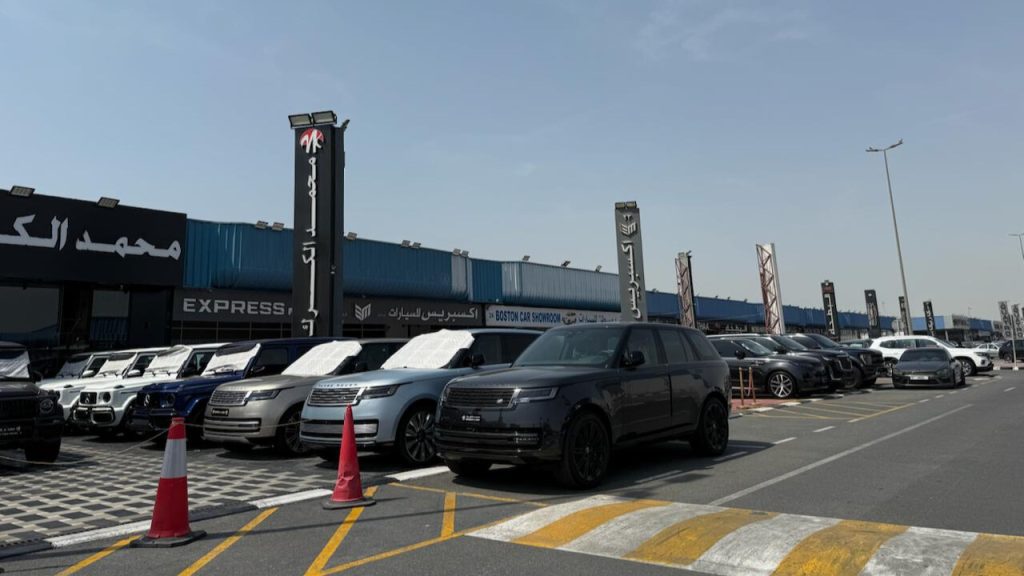
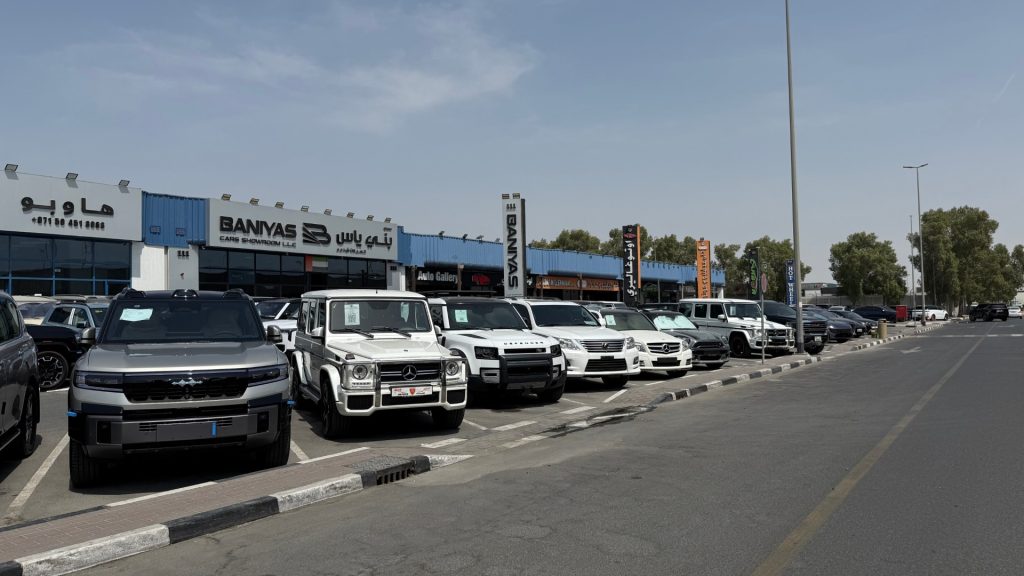
    Showrooms and cars available at ras al khor car market.

    The Dubai car market did not become centralized by accident. Over time, trading activity naturally concentrated in one location that offered the right mix of space, regulation, accessibility, and logistics. That location is Ras Al Khor.

    Today, the Ras Al Khor car market is widely recognized as the core of Dubai’s used car economy, influencing pricing, availability, and buying behavior across the city.

    Strategic Location and Accessibility

    One of the main reasons the Ras Al Khor car market grew so rapidly is its location. Positioned close to major highways such as Sheikh Mohammed Bin Zayed Road and Ras Al Khor Road, the area is easily accessible from all parts of Dubai.

    This allows:

    • Buyers to visit multiple dealers in one trip
    • Dealers to move inventory quickly
    • Exporters to transport vehicles efficiently

    Accessibility played a major role in making Ras Al Khor the operational center of the Dubai car market.

    Purpose-Built for Automotive Trading

    Unlike scattered showrooms in residential or commercial districts, Ras Al Khor was developed specifically to support automotive businesses. Showrooms are built side by side, designed for high vehicle turnover and frequent buyer visits.

    This setup creates:

    • Direct price competition
    • Transparent market pricing
    • Faster deal cycles

    Because buyers can compare dozens of cars in minutes, unrealistic pricing simply does not survive in the Ras Al Khor used car market.

    Concentration of Licensed Dealers

    The strength of the Ras Al Khor car market comes from volume and regulation. Hundreds of licensed dealers operate under Dubai’s commercial and RTA frameworks.

    This concentration means:

    • Vehicles are regularly inspected
    • Ownership transfers follow official RTA procedures
    • Documentation is standardized

    For buyers looking to buy used car in Dubai, this reduces uncertainty and risk compared to unregulated private listings.

    High Inventory Turnover and Market Liquidity

    Ras Al Khor has one of the highest vehicle turnover rates in the region. Cars enter and exit the market daily through:

    • Local buyers
    • Export orders
    • Dealer trade-ins

    This liquidity keeps pricing realistic and inventory fresh, which is a major advantage over slower-moving segments of the Dubai car market.

    Export Demand Strengthens the Local Market

    Export activity is not separate from local trading, it strengthens it. Vehicles in the Ras Al Khor used car market are constantly evaluated for international demand, which:

    • Prevents stock stagnation
    • Encourages competitive pricing
    • Keeps quality standards high

    Exporters act as an additional layer of demand that stabilizes the entire Dubai car market.

    Why Buyers Gravitate to Ras Al Khor

    Buyers eventually realize that Ras Al Khor offers something no single dealership can: market-wide visibility. Instead of trusting one seller’s pricing or claims, buyers can cross-check information instantly by walking a few meters.

    That is why serious buyers, whether local residents or international traders, end up at the Ras Al Khor car market when making purchase decisions.

    Ras Al Khor’s Influence Beyond Its Borders

    Pricing trends, demand shifts, and popular models often appear in Ras Al Khor before spreading to the rest of Dubai. In this way, the Ras Al Khor car market acts as a price discovery mechanism for the entire Dubai car market.

    If you want to understand real market value, Ras Al Khor is where that value is set.

    3. Ras Al Khor Car Market vs Other Car Buying Options in Dubai
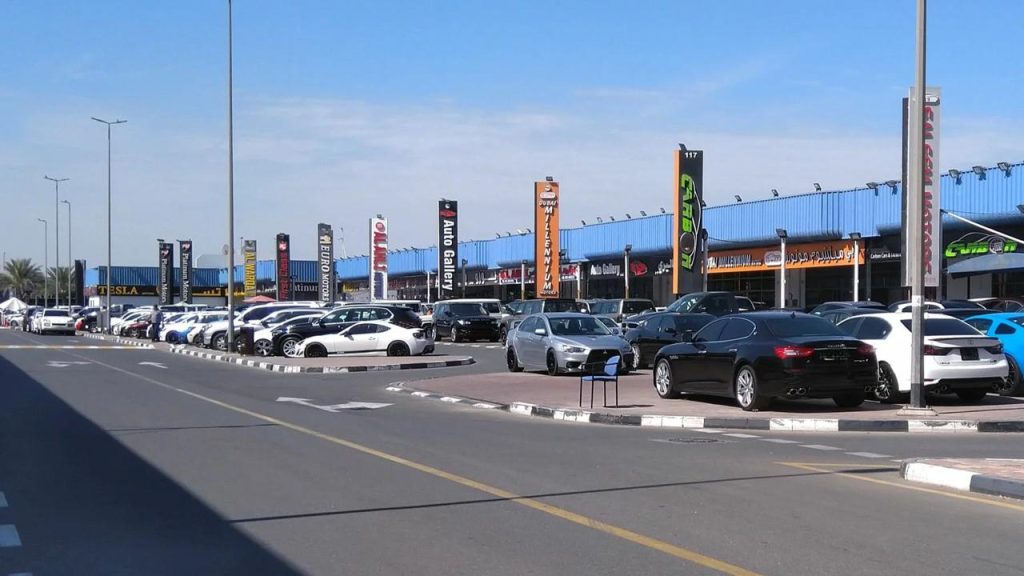
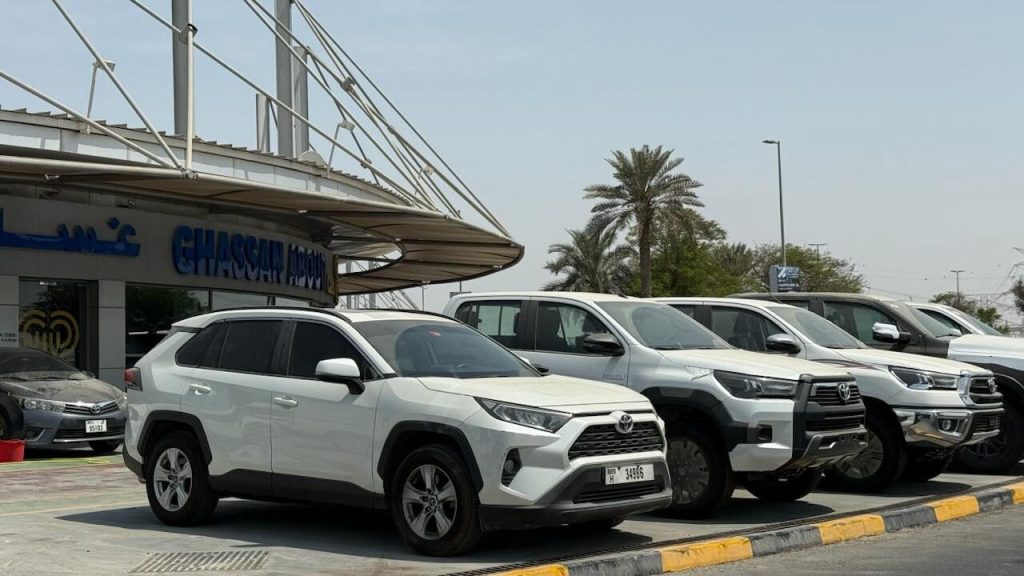
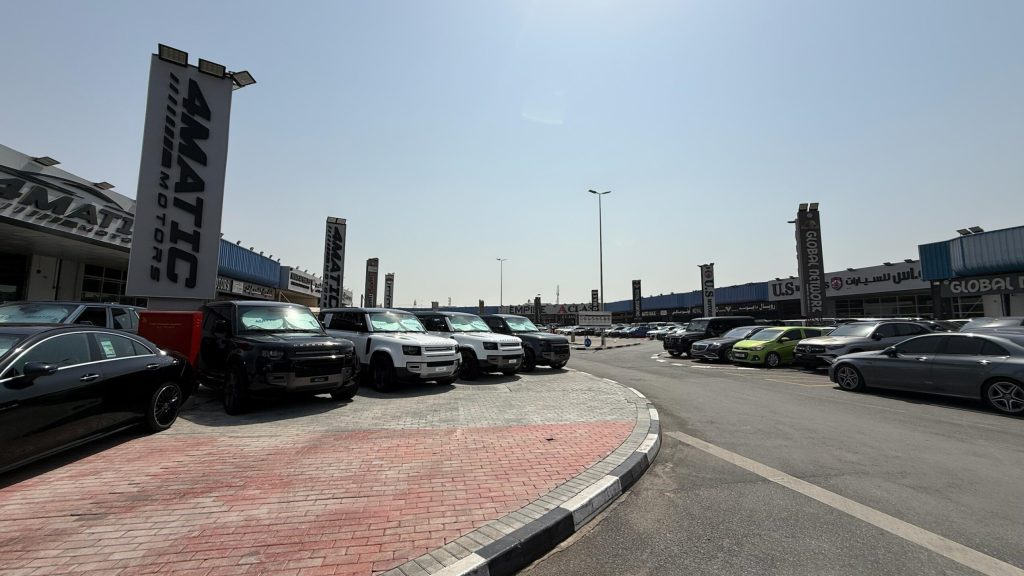
    multiple dealerships and vehicles ready for sale at ras al khor car market in Dubai.

    When people talk about the Dubai car market, they are usually referring to several different ways of buying a car. These include official brand showrooms, independent dealerships, online marketplaces, private sellers, and large physical markets. Among all these options, the Ras Al Khor car market stands out as a very different experience.

    Official Brand Showrooms

    Authorized brand showrooms are often the first option people consider, especially when buying new cars or certified pre-owned vehicles.

    They offer:

    • Manufacturer-backed inspections
    • Limited warranties on used cars
    • Fixed pricing with minimal negotiation

    However, prices at official showrooms are usually higher, selection is limited to one brand, and buyers cannot easily compare multiple dealers in one visit. For many buyers, especially those focused on value, this makes showrooms less flexible compared to the wider Dubai car market.

    Independent Dealerships Across Dubai

    Independent dealerships are spread across different areas of the city. Some specialize in specific brands or vehicle types, while others carry mixed inventory.

    They offer:

    • More flexibility on pricing than official showrooms
    • A broader selection than single-brand dealers
    • Negotiation opportunities

    The downside is that buyers must visit multiple locations to compare options, and dealership quality can vary widely. This fragmented experience is one reason many buyers prefer centralized markets like the Ras Al Khor used car market.

    Online Car Marketplaces

    Online platforms have become a major part of the modern Dubai car market. They allow buyers to browse thousands of listings from home and compare prices easily.

    Online platforms are useful for:

    • Price research
    • Shortlisting vehicles
    • Understanding market trends

    However, online listings alone do not replace physical inspection. Buyers still need to visit sellers, inspect cars, and complete transactions in person. This is why online platforms work best when combined with physical markets rather than replacing them.

    Private Sellers

    Private sellers can sometimes offer lower prices, but they also carry higher risk.

    Common challenges include:

    • No warranty or after-sales support
    • Limited transparency on vehicle history
    • Cash-only transactions in many cases

    For first-time buyers, private sales can be risky without strong inspection knowledge. This makes structured environments like the Ras Al Khor car market more appealing.

    Why Ras Al Khor Is Different

    What sets the Ras Al Khor car market apart from other options in the Dubai car market is concentration.

    In one location, buyers can:

    • Compare hundreds of dealers side by side
    • View multiple brands and price ranges in one visit
    • Negotiate directly with licensed sellers
    • Access export-ready vehicles and bulk options
    • Complete inspections, paperwork, and logistics nearby

    Instead of driving across the city, buyers can evaluate the market in real time, making informed decisions faster and with more confidence.

    Choosing the Right Option

    Each buying option in the Dubai car market serves a purpose:

    • Showrooms suit buyers who want brand assurance
    • Online platforms help with research
    • Private sellers may appeal to experienced buyers
    • Ras Al Khor car market suits buyers who want choice, negotiation, and transparency in one place

    For anyone looking to truly understand pricing, availability, and trends inside Dubai’s car market, Ras Al Khor car market remains one of the most practical and revealing places to start.

    4. Inside the Ras Al Khor Used Car Market

    The Ras Al Khor used car market is where the Dubai car market becomes most visible and most active. Unlike scattered dealerships or single-brand showrooms, this market brings together hundreds of licensed sellers in one defined area, creating a highly competitive and transparent environment for buying, selling, and trading vehicles.

    A Market Built Around Volume and Variety

    One of the defining characteristics of the Ras Al Khor used car market is scale. At any given time, buyers can find:

    • Economy cars for daily commuting
    • Family sedans and SUVs
    • Luxury and performance vehicles
    • Commercial vehicles and pickups
    • Export-ready cars prepared for overseas markets

    Because so many dealers operate side by side, inventory changes constantly. Cars are bought, sold, and replaced daily, which keeps pricing aligned with real market demand rather than fixed or inflated values. This high turnover is a major reason why many buyers prefer the Ras Al Khor car market over smaller dealerships elsewhere in Dubai.

    Licensed Dealers and Structured Trading

    Every showroom operating inside the Ras Al Khor car market is required to hold a valid trade license issued by Dubai authorities. This adds an important layer of structure and accountability to the market.

    Licensed dealers typically:

    • Register vehicles correctly under RTA systems
    • Handle ownership transfers through official channels
    • Assist with inspections and documentation
    • Follow commercial regulations set by Dubai authorities

    This does not remove the need for inspections or due diligence, but it does create a safer baseline compared to informal or unregulated selling environments.

    Price Discovery Happens in Real Time

    One of the biggest advantages of the Ras Al Khor used car market is how easily buyers can understand true market pricing. With dozens of similar cars available within walking distance, it becomes much harder for any single seller to overprice a vehicle.

    Buyers can:

    • Compare the same model across multiple dealers
    • See how mileage, condition, and service history affect pricing
    • Negotiate with real-time alternatives in mind

    This open competition is a core reason why the Ras Al Khor car market plays such a central role in shaping prices across the wider Dubai car market.

    A Hub for Both Local Buyers and Exporters

    The Ras Al Khor used car market is not only popular with residents buying for personal use. It also attracts international buyers and exporters who come to Dubai specifically to source vehicles.

    Many dealers specialize in:

    • GCC-spec vehicles preferred in regional markets
    • Cars suited for African and Asian destinations
    • Bulk sales and repeat export transactions

    This export activity increases volume and liquidity in the market, which in turn benefits local buyers through wider selection and competitive pricing.

    Supporting Services Around the Market

    Another reason the Ras Al Khor used car market functions efficiently is its surrounding infrastructure. The area is supported by:

    • RTA testing and inspection centers
    • Registration and ownership transfer facilities
    • Insurance providers
    • Logistics and transport services

    This allows buyers and sellers to complete most steps of a transaction within the same area, reducing delays and uncertainty.

    Why It Matters in the Dubai Car Market

    The Ras Al Khor used car market is more than just a place to buy cars. It acts as a pricing reference point, a supply hub, and a meeting place for buyers, sellers, and exporters. For anyone trying to understand how Dubai’s car market really works, spending time inside Ras Al Khor offers insights that cannot be gained from online listings or isolated dealerships alone.

    5. Who Uses Ras Al Khor and Why

    The Ras Al Khor car market attracts a wide mix of people, each using the market for different reasons. Its scale, transparency, and flexibility make it relevant not just to one type of buyer, but to almost everyone involved in the Dubai car market.

    Everyday Buyers Looking for Value

    Many residents visit the Ras Al Khor used car market to buy a car for personal use. These buyers are usually looking for:

    • Better prices than single-brand showrooms
    • More choice within the same budget
    • The ability to compare multiple cars in one visit

    Because similar models are available across many dealers, buyers can quickly understand what a fair price looks like and avoid overpaying. This makes Ras Al Khor especially popular with first-time buyers and families who want value without sacrificing choice.

    Experienced Buyers Who Know the Market

    Some buyers already understand how the Dubai car market works and come to Ras Al Khor with a clear plan. These buyers often:

    • Know exactly which models they want
    • Compare condition and mileage across several dealers
    • Negotiate confidently based on real-time market prices

    For them, the Ras Al Khor car market is efficient. Instead of visiting multiple locations across Dubai, they can finalize decisions faster by seeing everything in one place.

    Car Traders and Dealers

    The Ras Al Khor used car market is also heavily used by traders. Dealers buy and sell cars between themselves daily, adjusting inventory based on demand, season, and export activity.

    Traders use Ras Al Khor because:

    • Inventory turnover is fast
    • Pricing reflects real demand
    • There is constant buyer traffic
    • Export channels are well established

    This internal trading activity is one of the reasons the market stays liquid and competitive.

    Export Buyers From Overseas

    International buyers form a significant part of Ras Al Khor’s activity. Many travel to Dubai specifically to source vehicles for export.

    These buyers are drawn to Ras Al Khor because:

    • Cars are competitively priced compared to other regions
    • GCC-spec vehicles are widely available
    • Dealers are familiar with export documentation
    • Logistics and shipping services are nearby

    Export demand plays a major role in shaping prices and availability inside the Ras Al Khor car market, influencing the wider Dubai car market as well.

    Businesses and Fleet Buyers

    Companies also use Ras Al Khor to source:

    • Fleet vehicles
    • Commercial vans and pickups
    • Cars for staff transportation

    Bulk availability and negotiation flexibility make the market attractive for businesses that need multiple vehicles at once.

    Why This Matters

    Understanding who uses the Ras Al Khor used car market explains why it remains so influential. It serves everyday buyers, professionals, exporters, and businesses all at the same time. This constant mix of demand keeps prices realistic, inventory fresh, and the market active year-round.

    Because of this diversity, Ras Al Khor is not just another buying location. It is one of the main engines driving pricing, supply, and movement across the entire Dubai car market.

    6. How Pricing Works Inside the Dubai Car Market

    Pricing inside the Dubai car market is shaped very differently from fixed-price showroom environments. Nowhere is this more visible than inside the Ras Al Khor car market, where prices move daily based on supply, demand, and buyer behavior.

    Understanding how prices are formed helps buyers avoid overpaying and gives sellers a clearer idea of how to position their cars.

    Supply and Turnover Drive Real Prices

    One of the main reasons pricing stays competitive in the Ras Al Khor used car market is volume. Hundreds of cars enter and leave the market every day. When supply is high, prices naturally adjust downward to stay attractive.

    Dealers closely monitor:

    • How long similar cars stay listed
    • What price range actually leads to sales
    • Seasonal demand shifts

    Because inventory turnover matters more than holding out for one buyer, prices tend to reflect real market value rather than inflated expectations.

    Condition and Mileage Matter More Than Brand Alone

    In the Dubai car market, two identical models can be priced very differently. What creates that difference is usually:

    • Overall condition
    • Verified service history
    • Mileage
    • Accident or repair history

    A well-maintained car with clean records will almost always sell faster, even if priced slightly higher. Buyers in Ras Al Khor compare closely, so unrealistic pricing rarely works.

    Export Demand Influences Local Prices

    Export activity plays a major role in shaping prices inside the Ras Al Khor car market. Certain models are consistently in demand for overseas markets, which can raise prices locally.

    Vehicles that often see export-driven demand include:

    • Popular SUVs and 4x4s
    • Reliable Japanese sedans
    • Commercial pickups
    • Cars preferred in African and Asian markets

    When export demand increases, local prices for these models often rise as well. This is one reason prices in the Dubai car market can shift even when local demand remains stable.

    Negotiation Is Built Into the System

    Negotiation is a normal part of pricing at the Ras Al Khor used car market. Most listed prices leave room for discussion, especially when:

    • Buyers are paying cash
    • Multiple similar cars are available
    • The car has been listed for some time

    That said, not all dealers negotiate equally. Some price their cars very close to market value from the start, while others expect back-and-forth discussions.

    Knowing current market ranges gives buyers leverage and prevents unrealistic offers.

    Dealer Costs and Overheads Affect Pricing

    Although Ras Al Khor is competitive, dealers still factor in:

    • Rent and operating costs
    • Vehicle reconditioning expenses
    • RTA testing and compliance
    • Inventory holding risk

    These costs explain why prices may be slightly higher than private listings, but buyers gain added security, legal clarity, and convenience.

    Why Prices Feel More Transparent in Ras Al Khor

    Because buyers can walk across the street and compare similar cars instantly, price transparency is built into the Ras Al Khor car market. This pressure keeps pricing honest and discourages extreme markups.

    For this reason, many buyers consider Ras Al Khor one of the best places to understand real vehicle values in the Dubai car market.

    7. Buying, Selling, and Exporting Through Ras Al Khor

    One of the main reasons the Ras Al Khor car market plays such a central role in the Dubai car market is that it supports all three major activities in one place: buying, selling, and exporting vehicles. This combination is what keeps the market active, liquid, and attractive to both local and international buyers.

    Buying Cars Through the Ras Al Khor Car Market

    For buyers, the Ras Al Khor used car market offers something that most other options in Dubai cannot: real comparison. Instead of relying on a single dealer or online listing, buyers can:

    • Compare similar cars across multiple showrooms
    • Inspect condition, mileage, and pricing side by side
    • Speak directly with dealers who specialize in specific vehicle types
    • Verify paperwork and RTA requirements on the spot

    Because of this transparency, buyers are better positioned to understand fair pricing and avoid rushed decisions. This is why many people looking to buy a used car in Dubai start their search in Ras Al Khor.

    Selling Cars Inside the Dubai Car Market

    Selling a car through the Dubai car market, especially in Ras Al Khor, is often faster than selling privately. Owners choose this route because:

    • Dealers are actively looking for inventory
    • Multiple offers can be compared in a short time
    • Paperwork and ownership transfer are handled professionally
    • There is no need to manage private viewings or negotiations

    Both individual sellers and businesses regularly bring vehicles to the Ras Al Khor car market to test real demand and receive immediate price feedback.

    Why Export Activity Is Central to Ras Al Khor

    Export is a defining feature of the Ras Al Khor car market. Many dealers focus heavily on international buyers, making Ras Al Khor one of the most important export hubs within the Dubai car market.

    Export activity influences:

    • Which models are stocked
    • How prices move for certain vehicles
    • How quickly inventory turns over

    Cars that are popular in overseas markets often sell faster, even if local demand is moderate. This export-driven demand keeps the market diverse and constantly refreshed.

    How Export Buyers Use the Ras Al Khor Used Car Market

    International buyers and exporters use Ras Al Khor because it offers:

    • Access to export-ready vehicles
    • Dealers experienced with customs and documentation
    • Proximity to logistics and shipping routes
    • Flexible purchasing options for bulk deals

    This makes the Ras Al Khor used car market an efficient starting point for sourcing vehicles intended for Africa, Asia, Europe, and other regions.

    A Market That Supports Every Type of User

    What truly sets Ras Al Khor apart in the Dubai car market is its versatility. In the same area, you will find:

    • First-time buyers searching for affordable cars
    • Families upgrading vehicles
    • Dealers restocking inventory
    • Exporters sourcing multiple units
    • Businesses purchasing commercial vehicles

    Few automotive markets operate at this scale while supporting so many different use cases simultaneously.

    Why This Matters for the Dubai Car Market as a Whole

    The ability to buy, sell, and export in one ecosystem is what keeps Ras Al Khor at the center of Dubai’s automotive trade. Its influence extends beyond the physical market, shaping pricing, availability, and demand across the wider Dubai car market.

    8. How Ras Al Khor car market Fits Into the Modern Dubai Car Market

    One point that often causes confusion for buyers searching the Dubai car market is the difference between Ras Al Khor car market and the Al Aweer car market . In reality, these names refer to the same physical car trading location in Dubai.

    Ras Al Khor Car Market and Al Aweer Car Market Are the Same Place

    The car market located in Ras Al Khor Industrial Area is commonly known by two names:

    • Ras Al Khor Car Market (or Ras Al Khor Auto Market)
    • Al Aweer Car Market (or Al Aweer Auto Market)

    Both names are used interchangeably by residents, dealers, exporters, and online searchers. For example, when people talk about the Ras Al Khor car market, they are referring to the same area where Al Aweer car market operates. There is no separate or competing market, it is one location known by different names over time.

    Understanding this helps buyers avoid confusion when researching the Dubai car market online.

    Why Both Names Appear Online

    People searching the Dubai car market often use different names based on familiarity. Some refer to the location as Al Aweer car market (or Al Aweer auto market), while others search for the Ras Al Khor car market (or Ras Al Khor auto market). In practice, all of these names describe the same well-known car trading district in Ras Al Khor.

    To make this easier for buyers, the market is represented online through a single verified and dedicated digital platform which is alaweerautomarket.com that reflects the physical location and its dealer community. This ensures that regardless of which name people search for, they can access accurate information, real listings, and trusted dealers from the same auto market.

    Bringing Structure to the Dubai Car Market

    Al Aweer Auto Market gives the entire Ras Al Khor car trading district the digital identity it was missing. It transforms a traditionally physical market into an accessible online experience, allowing users to browse cars, understand pricing, and connect with dealers before stepping into the market itself.

    This digital layer does not replace the market, it enhances it by making the experience more transparent, organized, and aligned with how people search for cars today.

    One Market, One Location, Multiple Names

    To summarize clearly:

    • Ras Al Khor auto market = Al Aweer auto market
    • Ras Al Khor car market = Al Aweer car market
    • Both refer to the same physical car trading area
    • Both names are widely used and recognized

    This unified approach helps buyers navigate the Ras Al Khor car market with confidence, knowing they are dealing with the central and legitimate hub of Dubai’s car trading ecosystem.

    9. FAQs About the Ras Al Khor Car Market

    What is the Ras Al Khor car market best known for?

    The market is known for its wide variety of vehicles, competitive pricing, and fast turnover. Buyers can find everything from affordable daily cars to luxury models and export-ready vehicles, often in better condition than many other markets due to strict ownership transfer rules and regular inspections.

    Where is the Ras Al Khor car market located?

    The market is located in Ras Al Khor Industrial Area, Dubai. It is commonly referred to as both the Ras Al Khor car market and Al Aweer Auto Market, as both names describe the same car trading district.

    Is the Ras Al Khor car market the same as Al Aweer Auto Market?

    Yes. The Ras Al Khor car market, Ras Al Khor auto market, and Al Aweer Auto Market all refer to the same location. Different names are used online and in conversation, but they point to the same licensed auto market in Dubai.

    Is it safe to buy a car from the Ras Al Khor car market?

    Yes, it is generally safe when proper checks are followed. Buyers should always request an RTA inspection, verify vehicle history, confirm dealer licenses, and avoid making payments before completing all inspections and paperwork.

    Can I buy a car in Ras Al Khor and export it overseas?

    Yes. The market is one of Dubai’s main hubs for vehicle exports. Many dealers are experienced in handling export documentation, customs processes, and shipping arrangements for international buyers.

    Do prices vary between dealers in the Ras Al Khor used car market?

    Yes. The prices can vary depending on vehicle condition, mileage, demand, and dealer pricing strategies. This is why comparing multiple cars and negotiating is common practice.

    Can I research cars online before visiting the Ras Al Khor used car market?

    Yes. Platforms like alaweerautomarket.com allow buyers to browse listings from verified dealers, compare prices, and shortlist vehicles before visiting the physical market. This helps buyers arrive prepared and avoid unnecessary visits.

    Is negotiation expected in the Ras Al Khor car market?

    Negotiation is common, but it depends on the dealer and vehicle. Some prices are fixed, while others allow room for discussion based on inspection results and market demand.

    10. Final Conclusion

    Dubai’s car market is not a single location. It is a broad ecosystem made up of private sellers, dealerships, exporters, and buyers operating across the city. What makes it unique is the volume of vehicles available, the speed at which cars change hands, and the structured process that governs ownership transfers and inspections.

    Within this wider Dubai car market, Ras Al Khor has become the main physical hub for large scale car trading. Often referred to as either the Ras Al Khor car market or Al Aweer Auto Market, both names point to the same location where hundreds of licensed dealers operate in one area. This concentration allows buyers to compare cars, prices, and conditions more efficiently than visiting individual showrooms across different parts of the city.

    As the market has grown, it has also moved beyond being purely physical. The introduction of a dedicated digital platform has made the Ras Al Khor car market more accessible to visitors and buyers. Through alaweerautomarket.com, users can explore available cars, understand market pricing, and prepare before visiting in person. This does not replace the traditional market experience. It supports it by making information easier to access and decisions easier to plan.

    For anyone navigating the Dubai car market, understanding how Ras Al Khor fits into the bigger picture is essential. When buyers combine market knowledge, proper inspections, and the right preparation, they are far more likely to make confident and informed decisions.

  • How to Inspect a Used Car in Dubai: 10 Smart Checks to Avoid Costly Mistakes

    How to Inspect a Used Car in Dubai: 10 Smart Checks to Avoid Costly Mistakes

    Buying a used car in Dubai can be a smart financial decision, but only if you know how to inspect it properly before committing. For many first-time buyers, especially in the UAE, the inspection process can feel confusing, technical, or easy to overlook. Yet skipping the right checks is one of the most common reasons buyers end up with unexpected repairs, hidden damage, or long-term costs. This is why learning how to inspect a used car in Dubai properly is essential before making any payment or commitment.

    In Dubai and across the UAE, the used car market moves fast. Cars change hands quickly through showrooms, online platforms, and major markets like Al Aweer Auto Market. While this gives buyers access to a huge selection, it also means inspections become even more important. A car may look clean on the outside but still have mechanical, structural, or history-related issues that are not obvious at first glance.

    This guide is designed for complete beginners. You do not need prior car knowledge, mechanical experience, or technical tools. Each section explains what to check, why it matters, and which inspection resources are commonly available in the UAE. By the end of this guide, you will understand how to inspect a used car in Dubai step by step and make a confident, informed buying decision.

    1. What to Check Before Seeing the Car in Person

    Before you inspect a used car in Dubai physically, there are several important checks you should always do first. This step alone can save you time, money, and help you avoid cars that are not worth inspecting at all. These early checks apply to any used car inspection in UAE and not just in Dubai.

    Start With the Listing Details

    Whether the car is listed on a dealership website, an online platform, or shared by a private seller, always review the listing carefully. Pay attention to:

    • Model year and mileage
    • Accident history mentioned or not mentioned
    • GCC or non-GCC specification
    • Service history availability
    • Asking price compared to similar cars

    If key details are missing or unclear, that is usually a red flag. A serious seller should be able to provide basic information upfront.

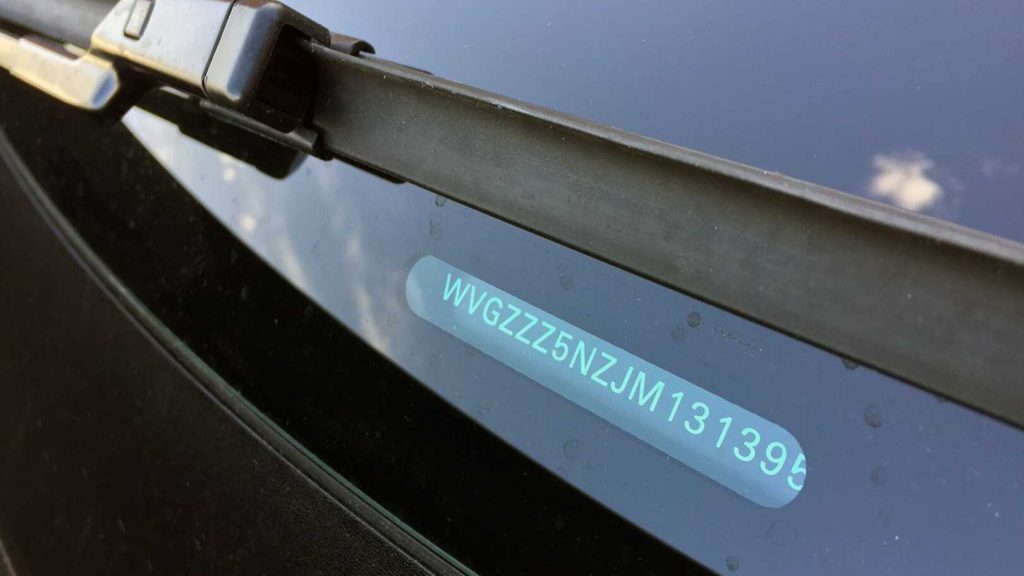
    Ask for the VIN and Registration Card

    Chassis Number or Vin Number of a car during inspection

    Before visiting, request the vehicle identification number and a copy or photo of the registration card if available. This allows you to:

    • Verify the car’s identity
    • Check if the car matches the listing details
    • Prepare for a history or inspection check

    You can also check official government portals like Emirates Vehicle Gate (EVG), Dubai RTA, or the Ministry of Interior (MoI) website using the chassis number (VIN) for accident/registration details. If a seller refuses to share the VIN our chassis number, it is best to walk away.

    Check the Market Price First

    One of the biggest mistakes beginners make is inspecting a car before understanding its market value. Always compare prices of similar cars with:

    • Same model and year
    • Similar mileage
    • Similar condition and specification

    If the price is significantly lower than average, there is usually a reason. Underpriced cars often come with hidden issues, accident history, or mechanical problems.

    Confirm Ownership and Selling Authority

    Make sure the person selling the car is legally allowed to sell it. Before visiting, confirm:

    • Is the seller the registered owner
    • If it is a dealer, do they have a valid trade license
    • If it is a company car, is there authorization to sell

    In the UAE, ownership transfer can only be completed through official RTA channels, so clarity at this stage avoids problems later.

    Ask About Inspection and Test Drive Availability

    Before committing your time, ask whether:

    • The car can be test driven
    • A third-party inspection is allowed
    • The seller is open to an RTA inspection

    A seller who refuses inspection or test drives should always be treated with caution.

    Shortlist Before You Visit

    If you are browsing cars through a dedicated platform like Al Aweer Auto Market, you can shortlist listings in advance and prepare properly before visiting the physical market. This helps you:

    • Compare prices realistically
    • Focus only on cars that meet your needs
    • Avoid impulsive decisions

    Preparing properly before seeing the car in person puts you in control of the buying process and sets the foundation for a safer inspection.

    2. Visual Inspection Basics Anyone Can Do

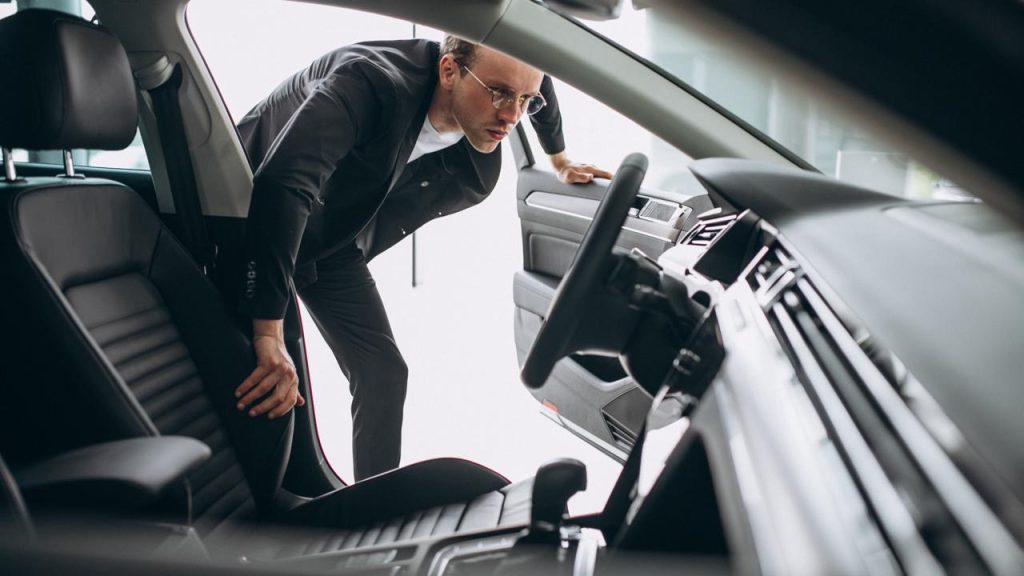
    Before involving mechanics or inspection centers, a basic visual check can already tell you a lot about a car’s condition. This step is essential when doing a used car inspection in Dubai, especially for first-time buyers. A careful visual review is one of the easiest ways to inspect a used car in Dubai without tools or technical knowledge, just time, attention, and good lighting.

    Start With the Car’s Overall Appearance

    When you first see the car, take a moment to look at it from a distance.

    • Does the car look straight and balanced on the road?
    • Are there visible dents, scratches, or mismatched body panels?
    • Does one side look newer or repainted compared to the other?

    In Dubai, many cars are repainted to improve resale value. A fresh paint job is not always a problem, but uneven paint or visible touch-ups can indicate previous accidents.

    Check Body Panels and Paint Consistency

    Walk around the car slowly and inspect each panel closely.

    • Look for differences in paint shade between doors, fenders, and bumpers
    • Check gaps between panels. They should be even on both sides
    • Open and close doors, the hood, and the trunk to ensure smooth movement

    Uneven gaps or stiff doors can suggest accident repairs. This is one of the most common red flags found during a used car inspection in Dubai.

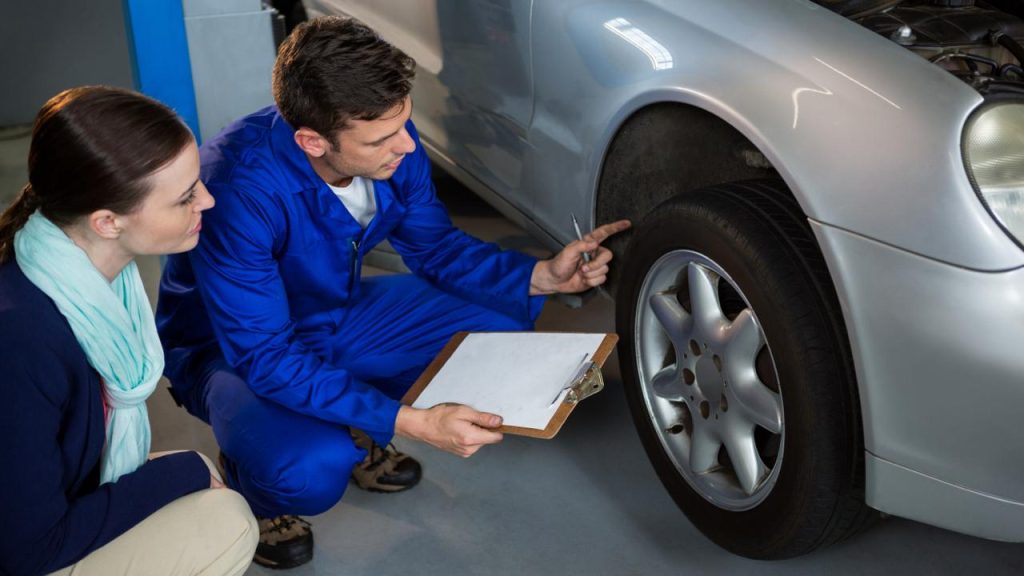
    Inspect Tires and Wheels Carefully

    Tires reveal how a car has been driven and maintained.

    • Check if all tires are the same brand and size
    • Look for uneven wear patterns on the tires
    • Inspect wheels for cracks, bends, or curb damage

    Uneven tire wear may indicate suspension or alignment issues, which are common on poorly maintained used cars.

    Examine Lights, Glass, and Mirrors

    Make sure all external components are intact and functional.

    • Check headlights, taillights, and indicators for cracks or moisture inside
    • Inspect the windshield for cracks or repaired chips
    • Ensure side mirrors are secure and adjustable

    Cracked glass or damaged lights may seem minor, but they can fail RTA inspection later and add unexpected costs.

    Look Under the Car for Leaks

    If possible, crouch down and look underneath the car.

    • Check for oil stains, coolant residue, or wet patches
    • Fresh oil under the engine area can signal leaks
    • Excessive rust is rare in Dubai, but leaks are not

    Leaks are one of the most important things to catch early when you inspect a used car in Dubai, especially before committing to a test drive or payment.

    Trust Your First Impressions

    If something feels off visually, it usually is.

    • A clean car should still show signs of honest wear
    • Overly detailed engine bays or freshly painted parts can sometimes hide issues
    • Sellers who rush you through this step should raise concern

    This visual inspection does not replace professional checks, but it helps you decide whether the car is worth taking to the next step.

    3. Interior and Comfort Checks

    The condition of a car’s interior often reveals more about its history than the exterior. When performing a used car inspection in Dubai, interior wear can help you judge how the car was treated, how many people used it, and whether the mileage makes sense. Interior condition plays a major role when you inspect a used car in Dubai, especially for first-time buyers.

    Check the Seats and Upholstery First

    Start with the driver’s seat, as it shows the most wear.

    • Excessive wear on the seat bolsters may indicate high mileage
    • Cracks, tears, or sagging cushions suggest long or rough usage
    • Leather seats should feel soft, not dry or brittle from heat exposure

    In Dubai’s climate, interiors that are poorly maintained tend to age quickly, so worn seats on a low-mileage car can be a red flag.

    Inspect the Steering Wheel, Pedals, and Gear Lever

    These areas are touched constantly and should match the car’s claimed mileage.

    • A smooth or shiny steering wheel may indicate heavy use
    • Worn pedals on a low-mileage car do not usually add up
    • Loose or damaged gear selectors can point to transmission stress

    When you inspect a used car in Dubai, inconsistencies between interior wear and mileage should always be questioned.

    Test All Interior Electronics and Controls

    Turn the ignition on and test everything.

    • Air conditioning must cool quickly and evenly, especially important in the UAE
    • Check windows, mirrors, seat adjustments, and central locking
    • Test the infotainment screen, buttons, and steering wheel controls

    AC repairs can be costly, and weak cooling is one of the most common issues found during a used car inspection in Dubai.

    Look for Signs of Flood or Water Damage

    While rare, flood damage can occur.

    • Check under floor mats for dampness or mold
    • Look for corrosion on seat rails or under the dashboard
    • Smell the interior. A musty odor is a warning sign

    Water damage can cause long-term electrical problems and should be avoided entirely.

    Check Dashboard Warning Lights

    When the ignition is turned on, all warning lights should appear briefly and then disappear.

    • Lights that stay on may indicate engine, airbag, or ABS issues
    • Warning lights that never appear may have been disabled intentionally

    This step is essential before moving forward with a test drive or professional inspection.

    Comfort and Noise Check While Stationary

    Sit in the car with the engine running.

    • Listen for rattles or vibrations inside the cabin
    • Test seat comfort and driving position
    • Check that doors close quietly and seal properly

    Interior noise often points to wear, poor repairs, or previous accidents.

    Why Interior Checks Matter

    Interior condition affects both comfort and resale value.

    A clean, well-kept cabin usually reflects responsible ownership and regular maintenance. When combined with a proper exterior check, interior inspection helps you decide whether the car is worth further evaluation or professional testing.

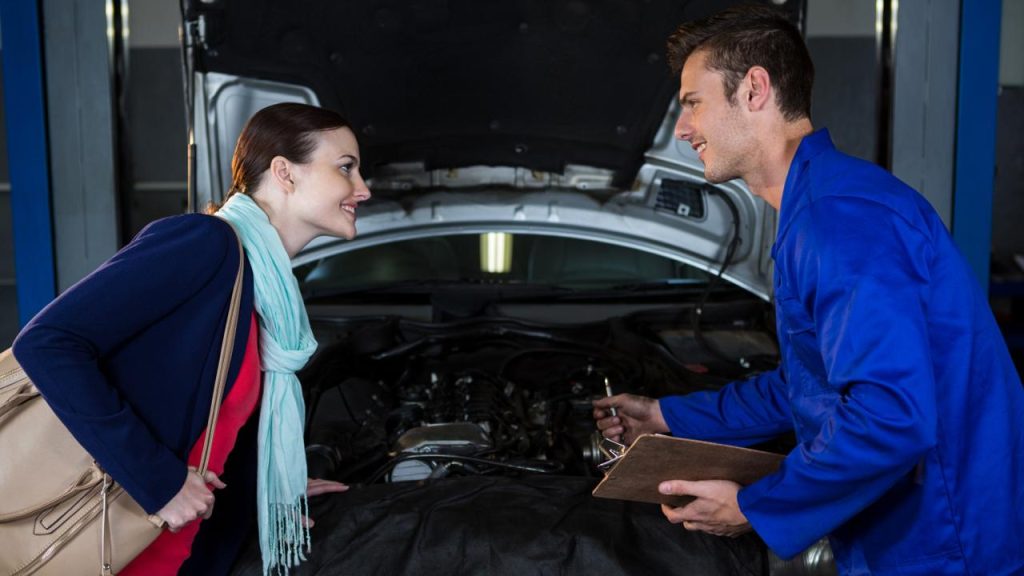
    4. Engine Bay Inspection for Beginners

    You do not need to be a mechanic to perform a basic engine bay check. During a used car inspection in Dubai, the engine compartment can quickly reveal warning signs of neglect, poor repairs, or hidden issues caused by heat and long-term use. This is a critical step whenever you inspect a used car in Dubai, as engine repairs are often the most expensive.

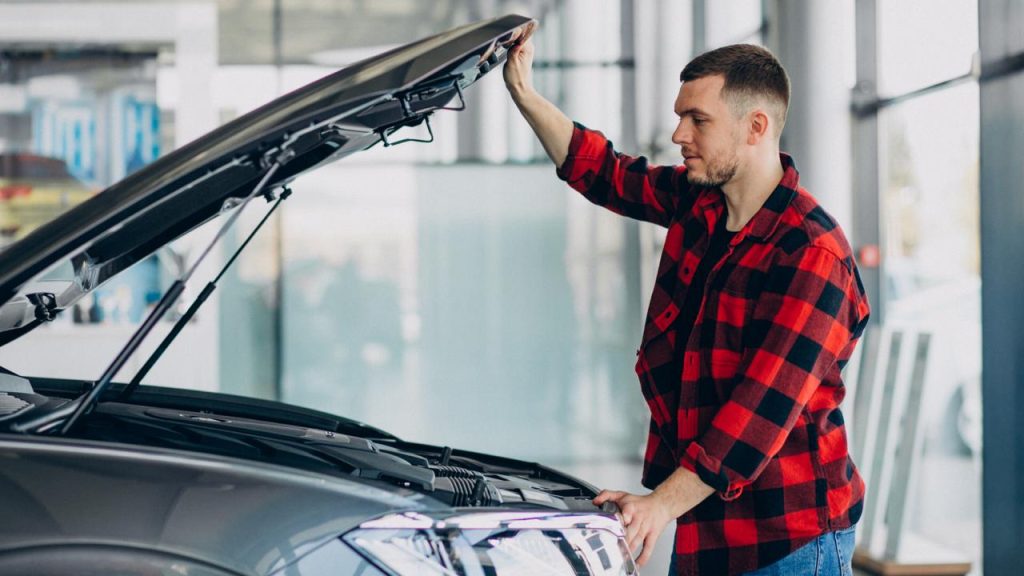
    Open the Hood and Observe Before Touching Anything

    Start by simply looking.

    • The engine bay should look reasonably clean but not freshly washed
    • Excessive oil stains, heavy dust mixed with grease, or loose components are warning signs
    • Avoid cars where the engine bay looks unusually shiny, as this can hide leaks

    A natural, slightly dusty engine bay is often a better sign than one that looks freshly detailed.

    Check for Oil Leaks and Fluid Residue

    Look around the engine block, hoses, and under the hood.

    • Dark oil residue around seals or covers may indicate leaks
    • Wet areas near hoses can point to coolant or power steering leaks
    • Strong fuel smells are not normal

    Leaks are one of the most common issues discovered during a used car inspection in Dubai, especially in older vehicles.

    Inspect Engine Oil Condition

    Ask the dealer or seller to check the oil dipstick.

    • Oil should be brown or amber, not black and thick
    • Milky or foamy oil may indicate serious engine issues
    • Very low oil levels suggest poor maintenance

    Oil condition often reflects how well the car was serviced over time.

    Check Coolant and Other Fluids

    You do not need to open caps on a hot engine.

    • Coolant should be visible and clean, not rusty or muddy
    • Brake fluid and windshield fluid should be at proper levels
    • Empty or very low fluid reservoirs raise concerns

    In Dubai’s climate, cooling system health is critical and costly to repair if neglected.

    Inspect Belts, Hoses, and Wiring

    Look for obvious wear.

    • Cracked or brittle hoses may fail soon
    • Loose wiring or tape repairs suggest past electrical issues
    • Squealing noises during startup may point to worn belts

    These parts degrade faster in hot conditions, making this step especially important when you inspect a used car in Dubai.

    Listen to the Engine While Idling

    Start the engine and listen carefully.

    • The engine should idle smoothly without shaking
    • Knocking, ticking, or rattling sounds are red flags
    • Loud vibrations felt inside the cabin may indicate engine mounts or misfires

    A quiet and stable idle usually indicates a healthier engine.

    Look for Warning Signs of Past Accidents

    Check inside the engine bay for:

    • Bent metal
    • Misaligned bolts
    • Fresh paint on structural parts

    These can indicate previous front-end accidents that may not be obvious from the outside.

    What This Check Tells You

    An engine bay inspection helps you decide whether the car is worth a test drive or professional inspection. It does not replace expert testing, but it can prevent you from wasting time on cars with clear mechanical risks.

    If anything looks suspicious, the next step should always be a professional evaluation before payment.

    5. Test Drive Checks That Reveal Hidden Problems

    A test drive is one of the most important steps when you inspect a used car in Dubai. Many mechanical and transmission issues only appear once the car is moving, especially in stop-and-go traffic and at highway speeds. Always insist on a proper test drive before making any commitment.

    Start With a Cold Engine If Possible

    If the car has been sitting for a while, start it from cold.

    • The engine should start smoothly without hesitation
    • Rough starts, long cranking, or loud knocking noises are warning signs
    • Excessive smoke from the exhaust is not normal

    Cold starts often reveal issues that disappear once the engine warms up.

    Check Steering and Handling at Low Speeds

    Drive slowly first.

    • The steering wheel should feel smooth and responsive
    • Pulling to one side may indicate alignment or suspension issues
    • Clicking sounds when turning can point to worn joints or steering components

    Urban driving conditions in Dubai make steering performance especially important.

    Test Acceleration and Gear Shifts

    Gradually increase speed.

    • The car should accelerate smoothly without jerking
    • Automatic gear changes should feel seamless
    • Delayed shifts, sudden jerks, or slipping gears are red flags

    Transmission repairs are expensive, so this step is critical during any used car inspection in Dubai.

    Brake Performance and Pedal Feel

    Test the brakes in a safe area.

    • The brake pedal should feel firm, not soft or spongy
    • The car should stop smoothly without vibration
    • Grinding or squealing noises may indicate worn brake components

    Brake issues are common and easy to detect during a proper test drive.

    Listen for Suspension Noises

    Drive over small bumps or uneven roads.

    • Clunking or rattling sounds may indicate worn suspension parts
    • Excessive bouncing after bumps is not normal
    • A stiff or uncomfortable ride can point to suspension damage

    Suspension components wear faster in hot climates and rough driving conditions.

    Monitor Dashboard Warning Lights

    During the drive, watch the instrument cluster.

    • No warning lights should remain on after startup
    • Check engine, ABS, or transmission warnings should never be ignored
    • Flickering or intermittent lights suggest electrical problems

    Dashboard warnings often appear only while driving, not while parked.

    Test Air Conditioning Under Real Conditions

    In Dubai, air conditioning is not optional.

    • AC should cool quickly and consistently
    • Weak airflow or warm air indicates system issues
    • Strange smells may point to mold or leaks

    AC repairs can be costly, making this one of the most important test drive checks.

    Drive at Highway Speed if Possible

    If allowed, take the car onto a faster road.

    • The car should remain stable at higher speeds
    • Vibrations through the steering wheel may indicate tire or alignment problems
    • Excessive wind or road noise can suggest poor insulation or past damage

    High-speed driving reveals problems that city driving may hide.

    What the Test Drive Confirms

    A proper test drive helps confirm whether the car’s condition matches what you saw during visual and engine checks. If anything feels off, it is best to pause and arrange a professional inspection before moving forward.

    6. Professional Inspection Options in Dubai

    Even if you feel confident after a visual check and test drive, arranging a professional inspection is one of the smartest decisions you can make when you inspect a used car in Dubai. Trained inspectors can detect issues that are easy to miss without technical knowledge or proper equipment.

    Professional inspections are especially important in Dubai’s used car market, where vehicles may look clean on the surface but still have hidden mechanical or structural problems.

    When You Should Get a Professional Inspection

    A professional inspection is strongly recommended if:

    • You are buying your first used car
    • The vehicle is expensive or high mileage
    • The seller cannot provide a clear service history
    • You plan to finance the car through a bank
    • You want peace of mind before final payment

    For anyone unfamiliar with cars, this step can prevent costly mistakes.

    Independent Third Party Inspection Companies

    Dubai has many third party inspection services that specialize in used car inspection in Dubai. These companies are independent and do not represent the seller.

    What they typically check:

    • Engine condition and diagnostic scan
    • Transmission and drivetrain
    • Suspension, steering, and brakes
    • Chassis integrity and accident signs
    • Electrical systems and warning codes

    Most inspections are done at the seller’s location or at a nearby testing facility, and reports are usually delivered the same day.

    Mobile Inspection Services

    Some companies offer mobile inspections where a technician visits the car’s location.

    • Convenient if the car is at a dealership or private seller
    • Ideal for busy buyers or first time buyers
    • Results are usually shared digitally with photos and notes

    This option is popular for buyers who want to inspect a used car in Dubai without moving it first.

    Dealer Provided Inspections

    Some dealerships offer their own inspection reports.

    • These can be useful but should not replace an independent check
    • Always ask what the inspection covers
    • Avoid relying solely on a seller’s internal report

    Independent verification and inspection is always safer.

    Cost of Professional Inspections in Dubai

    Inspection prices vary depending on depth and provider.

    • Basic inspections are usually affordable
    • More detailed inspections cost more but offer greater confidence
    • Compared to repair costs, inspections are a small investment

    Skipping this step can be far more expensive in the long run.

    How This Fits Into the Buying Process

    A professional inspection should be done before:

    • Paying a full deposit
    • Signing final agreements
    • Applying for bank financing
    • Completing ownership transfer

    Many banks also require a clean inspection or RTA passing result before approving loans.

    A professional inspection gives you leverage during negotiation and protects you from unexpected repairs after purchase.

    7. RTA Inspection and Passing Tests

    In Dubai, the RTA inspection is one of the most important steps when you inspect a used car in Dubai and prepare it for ownership transfer or registration. This is an official technical inspection conducted at RTA-approved testing centers to confirm that the vehicle meets road safety standards.

    Unlike private inspections, an RTA test is mandatory for most used car transactions.

    What Is an RTA Inspection?

    An RTA inspection is a standardized vehicle test required to:

    • Transfer ownership of a used car
    • Renew vehicle registration
    • Register a car that was previously unregistered

    The test focuses on roadworthiness, safety, and compliance with Dubai regulations. It does not evaluate comfort or cosmetic quality. However some RTA approved vehicle testing centers provide inspection. services at an additional cost.

    Where RTA Inspections Are Done

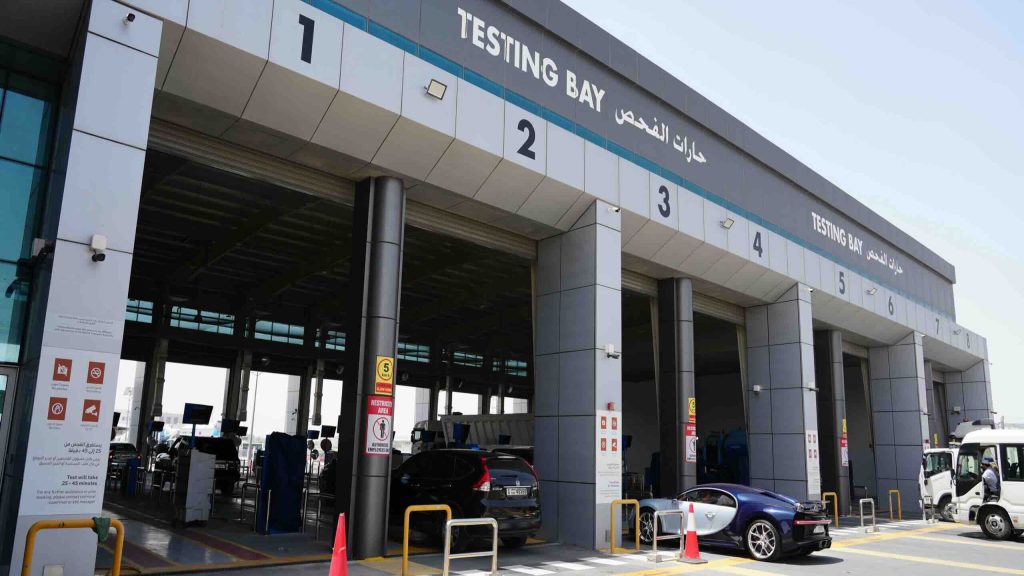
    RTA inspections are conducted at authorized centers such as:

    Most buyers encounter the RTA test when buying from dealers at major markets like Al Aweer Auto Market or when purchasing from private sellers.

    What the RTA Inspection Checks

    During the inspection, technicians examine:

    • Engine and transmission condition
    • Brakes and suspension
    • Steering system
    • Chassis and structural integrity
    • Lights, indicators, and electrical systems
    • Tires and emissions
    • VIN and vehicle identity verification

    If the car passes, it receives an RTA passing certificate valid for a limited period.

    Who Is Responsible for the RTA Test

    In most cases:

    • Dealers arrange the RTA passing test before sale
    • The test acts as proof that the car meets legal standards
    • Buyers can also request to handle the test themselves if they prefer

    If a seller refuses an RTA test, this should be treated as a warning sign.

    What Happens If a Car Fails the RTA Test

    If the vehicle fails:

    • A failure report is issued listing required repairs
    • The car must be repaired and re-tested
    • Ownership transfer cannot proceed until the car passes

    This is why RTA inspection is essential when you inspect a used car in Dubai before committing financially.

    RTA Inspection vs Professional Inspection

    It is important to understand the difference:

    • RTA inspection checks legality and road safety
    • Professional inspections check mechanical health and long-term reliability

    For best results, buyers should use both.

    How RTA Inspection Fits Into the Buying Process

    RTA inspection is required before:

    • Ownership transfer
    • Vehicle registration
    • Issuance of a new Mulkiya

    Without a valid passing certificate, the transaction cannot be completed.

    Understanding the RTA process helps buyers avoid delays and ensures they are buying a car that is legally approved for use on Dubai roads.

    8. Vehicle History and Accident Checks

    When you inspect a used car in Dubai, checking the vehicle’s history is just as important as inspecting its physical condition. A car may look clean on the outside but still have a past involving accidents, flood damage, or mileage inconsistencies.

    Why Vehicle History Checks Matter

    Vehicle history checks help you confirm:

    • Whether the car has been involved in accidents
    • If the mileage is genuine
    • Whether the car was written off or declared a total loss
    • If there are outstanding loans or legal issues

    Skipping this step is one of the most common mistakes buyers make when they inspect a used car in Dubai.

    RTA Vehicle History Check

    The Dubai Roads and Transport Authority provides an official vehicle history report using the chassis number (VIN). This report may include:

    • Accident records registered in Dubai
    • Registration and ownership history
    • Mileage readings recorded during RTA inspections

    This is one of the most reliable local sources for accident data within Dubai.

    Insurance-Based Accident Records

    Some accidents are recorded through insurance companies rather than RTA systems. Dealers or sellers may provide:

    • Insurance claim history
    • Repair invoices
    • Accident repair documentation

    Always ask for supporting documents if an accident is disclosed.

    Imported Cars and History Limitations

    If the car was imported:

    • Accident data may not be fully available in UAE systems
    • History reports from the country of origin may be required
    • Buyers should be extra cautious and combine history checks with a professional inspection

    Imported vehicles require deeper verification before you inspect a used car in Dubai and proceed with payment.

    Mileage Verification

    Mileage tampering is rare but possible. To reduce risk:

    • Compare mileage across RTA reports
    • Check service records
    • Look for wear that does not match the odometer reading

    Large inconsistencies are a red flag.

    What a History Check Does Not Show

    Vehicle history reports usually do not reveal:

    • Minor cosmetic repairs
    • Mechanical wear
    • Poor-quality accident repairs done without insurance claims

    This is why history checks must always be combined with physical and mechanical inspections.

    Best Practice for Buyers

    Before committing:

    • Request the VIN from the seller
    • Run an RTA vehicle history check
    • Ask for insurance and service records
    • Match documents with the car physically

    A clean history does not guarantee a perfect car, but it significantly reduces risk when you inspect a used car in Dubai.

    9. Common Inspection Mistakes Buyers Make

    Even buyers who plan to inspect a used car in Dubai carefully can make mistakes that lead to unexpected costs later. Understanding these common errors can help you avoid problems before committing to a purchase.

    Relying Only on Visual Appearance

    A clean exterior or freshly detailed interior does not guarantee a car is in good condition. Cosmetic work can hide mechanical issues, accident repairs, or water damage. Always look beyond appearance when you inspect a used car in Dubai.

    Skipping a Test Drive

    Some buyers agree to buy a car after a short look without driving it. A test drive helps reveal problems such as:

    • Transmission hesitation
    • Steering vibration
    • Brake noise
    • Engine hesitation or warning lights Never finalize a deal without driving the car yourself.

    Trusting Verbal Claims Without Proof

    Statements like “accident-free” or “dealer-maintained” should always be supported by documents. When you inspect a used car in Dubai, request:

    • RTA vehicle history
    • Service records
    • Insurance repair documents if applicable

    Not Getting a Professional Inspection

    Many buyers rely only on personal checks. While basic inspection is useful, it does not replace a professional mechanical assessment. Skipping this step is one of the costliest mistakes when you inspect a used car in Dubai.

    Ignoring RTA Inspection Requirements

    Some buyers assume a recent RTA test is unnecessary or optional. An official RTA inspection confirms roadworthiness and verifies chassis identity. It should always be completed before ownership transfer.

    Rushing the Decision

    Pressure tactics or “limited-time offers” often lead to poor decisions. Take your time, compare multiple cars, and avoid making payments before completing all inspections.

    Overlooking Total Ownership Costs

    Buyers sometimes focus only on the purchase price and ignore:

    • Insurance cost
    • Maintenance history
    • Spare parts availability
    • Resale value A cheaper car can become expensive after purchase.

    Best Advice

    When you inspect a used car in Dubai, slow down the process. Ask questions, verify documents, and combine personal checks with professional inspections. A careful approach reduces risk and leads to a more confident purchase.

    10. Final Inspection Checklist Before Payment

    Before making any payment, it is important to pause and run through a final checklist. This step ensures nothing was missed during earlier inspections and helps protect you from costly surprises after the purchase. Whether you are buying from a dealer, the Al Aweer Auto Market, or a private seller, this checklist applies every time you inspect a used car in Dubai.

    Vehicle Condition Confirmation

    Make sure the car’s condition matches everything you have been told and observed.

    • Exterior panels are aligned and free from hidden repairs
    • No warning lights are active on the dashboard
    • Engine runs smoothly with no unusual sounds
    • Brakes, steering, and suspension feel stable during a test drive

    If anything feels different from earlier checks, stop and reassess before moving forward.

    RTA Inspection Status

    Confirm that the car has either:

    • Passed a recent RTA inspection, or
    • Is ready to be taken for an RTA inspection before ownership transfer

    An RTA passing test is essential for registration and confirms the car meets road safety standards in Dubai.

    Vehicle History and Documents

    Before payment, verify all paperwork carefully.

    • Vehicle Registration Card (Mulkiya)
    • Matching chassis number on the car and documents
    • Vehicle history or accident report if available
    • Service records and maintenance invoices

    When you inspect a used car in Dubai, document checks are just as important as mechanical checks.

    Seller Verification

    Ensure the seller is legitimate.

    • Dealer has a valid trade license
    • Private seller’s Emirates ID matches the ownership documents
    • No outstanding fines or loans linked to the vehicle

    Never rely on verbal assurances alone.

    Insurance and Registration Readiness

    Confirm that insurance can be issued immediately after purchase. Without valid insurance, the car cannot be registered or legally driven. Dealers often assist with insurance, but you can also arrange your own policy.

    Payment Safety

    Only proceed with payment when all inspections are complete.

    • Avoid paying deposits before inspection and document verification
    • Use traceable payment methods whenever possible
    • Ensure a written sale agreement or invoice is provided

    Final Check Before Signing

    Ask yourself:

    • Am I confident in the car’s condition?
    • Are all documents clear and verified?
    • Have I completed every inspection step without pressure?

    If the answer to any of these is no, delay the purchase.

    Final Tip

    When you inspect a used car in Dubai, the last checklist is your strongest protection. Taking a few extra minutes before payment can save months of frustration and unexpected expenses later.

    This completes the inspection process. The next step is applying everything you have learned to make a confident, informed purchase.

  • The Best Used Cars in Dubai – A Complete Guide for 2026

    The Best Used Cars in Dubai – A Complete Guide for 2026

    Thinking about buying a used car but unsure which models are the best used cars in Dubai right now? Buying a used car in Dubai is one of the most popular choices for residents and expats thanks to the city’s competitive prices, wide vehicle selection, and fast resale market. Whether you are a first-time buyer or upgrading your current vehicle, exploring used cars in Dubai is one of the smartest ways to get more for your money. Understanding how to choose the right car, where to shop, and what to inspect can save you time, money, and stress.

    Dubai’s used car market is unique because buyers have access to thousands of vehicles across showrooms, online platforms, private sellers, and major markets like Al Aweer Auto Market. With so many options available, the challenge is not finding a car, it is knowing how to verify condition, compare prices, and make a safe, informed purchase.

    This guide was created to help anyone planning to buy a used car in Dubai by explaining everything that truly matters: how to evaluate a car, what documents to check, where to find the best deals, and how to avoid common mistakes.

    Why Buying a Used Car in Dubai is So Popular

    Premium used SUVs and luxury cars displayed at Al Aweer Auto Market, a popular destination for anyone looking to buy used cars in Dubai.

    Dubai has one of the most active pre-owned vehicle markets in the region, and there are several practical reasons why many residents prefer to buy a used car in Dubai instead of purchasing brand-new.

    1. Lower Prices Compared to Many Countries

    Dubai’s car market is extremely competitive. Because there is:

    • a large supply of vehicles
    • frequent model upgrades by owners, and
    • strong import and export activity

    used car prices tend to be more affordable than in many other regions. Buyers often find cars in excellent condition at significantly lower prices than brand-new models, a major reason many people prefer to buy a used car in Dubai.

    2. High Turnover Means Better Condition Cars

    Dubai has a fast ownership cycle. Many residents upgrade their vehicles every few years due to lifestyle changes, new job packages, or simply preference. This results in:

    • lower mileage cars
    • newer model years available on the pre-owned market
    • vehicles that are generally in better condition

    This is why many of the best used cars in Dubai are only a few years old, making them a smart alternative to buying new.

    3. Strong Maintenance Culture

    Most cars in Dubai follow strict maintenance schedules, especially during their warranty period. Because dealerships and agencies dominate servicing, many used cars come with:

    • full documented service history
    • regular maintenance records
    • fewer mechanical issues than expected in older markets

    This significantly reduces the risk for buyers.

    4. Wide Variety of Options

    Dubai offers an enormous selection of pre-owned vehicles across every category:

    • sedans
    • SUVs
    • luxury brands
    • sports cars
    • commercial vehicles

    Major markets like Al Aweer Auto Market and large dealership clusters make it easy to compare multiple categories in one visit.

    5. Attractive for Export Buyers

    Dubai is a leading global hub for car exports. Many export buyers visit Al Aweer Auto Market and Ras Al Khor to purchase GCC-spec or export-ready vehicles. This constant turnover keeps supply strong and prices competitive.

    6. Transparent and Regulated Buying Process

    The UAE follows a strict process for ownership transfer through RTA (such as Tasjeel Centers) . This ensures:

    • every car must pass an RTA technical inspection
    • ownership transfers only through official RTA systems
    • chassis and mileage information is verified before transfer

    These regulations give buyers confidence and make the used car market more secure compared to many other countries.

    Best Used Cars in Dubai (Most Reliable Models for 2026)

    Lineup of popular used SUVs displayed at Al Aweer Auto Market, one of the best places to buy used cars in Dubai.

    When searching for the best used cars in Dubai, buyers often look for vehicles that combine reliability, strong resale value, affordable maintenance, and good performance in UAE driving conditions. While every buyer has different needs, certain models consistently stand out in Dubai’s used car market because of their reputation, availability, and long-term durability.

    1. Toyota Corolla

    One of the most dependable cars worldwide, the Corolla remains a top choice for anyone planning to buy a used car in Dubai. It is fuel-efficient, inexpensive to maintain, and known for retaining its value (the hybrid trim is a great option for fuel-efficiency). Spare parts are affordable and widely available.

    2. Toyota Camry

    Popular among families and commuters, the Camry is known for comfort, reliability, and smooth driving. Many models with full service history can be found in excellent condition.

    3. Nissan Altima

    The Altima is favoured for its balance of comfort, performance, and pricing. It is widely available across Dubai, making it easy for buyers to compare options and find a good deal.

    4. Nissan Patrol

    For buyers wanting a powerful SUV with long-term durability, the Patrol is one of the most trusted models in the region. It holds its value extremely well and is ideal for both city roads and desert conditions.

    5. Toyota Land Cruiser

    A long-standing favourite in the UAE, the Land Cruiser is known for its unbeatable reliability and resale value. It is also one of the most demanded models in export markets, which keeps its value strong.

    6. Honda Accord & Civic

    Both models are popular for their fuel efficiency, low maintenance cost, and long lifespan. They offer excellent value for buyers who want dependable daily drivers.

    7. Hyundai Tucson / Kia Sportage

    These SUVs are a common choice for people who want modern features at a reasonable price. They are reliable, comfortable, and widely available in the used market.

    8. Mitsubishi Pajero

    A classic in the UAE, especially for families looking for an affordable and durable SUV. Pajeros are often found with good maintenance history and tend to be very reliable over time.

    9. Lexus ES

    For luxury buyers, the ES offers a premium experience with Toyota-level reliability. It retains value well and tends to age better than many European luxury models.

    10. Mercedes-Benz C-Class / E-Class

    For those who prefer German luxury, these models remain popular choices. Buyers should prioritise cars with proper service records and agency maintenance for long-term peace of mind.

    Best Used Cars in Dubai by Category

    Dubai’s used car market offers strong options for every lifestyle and budget. Whether you need something economical, family-friendly, luxurious, or powerful, there are reliable models that consistently perform well in the UAE. These recommendations are based on market demand, reliability trends, and long-term resale strength, all essential factors when planning to buy used car in Dubai.

    Best Budget Cars (Economical & Reliable)

    Ideal for everyday commuting and low maintenance costs:

    • Toyota Yaris
    • Nissan Sunny
    • Honda Civic (older models)
    • Mitsubishi Attrage

    These models have affordable parts, strong fuel efficiency, and stable resale value, perfect for those wanting to buy used car in Dubai on a budget or looking for company cars.

    Best Family Cars

    Popular for comfort, safety, and practicality:

    • Toyota Camry
    • Toyota RAV4
    • Honda Accord
    • Nissan Altima
    • Hyundai Tucson
    • Kia Sportage

    These vehicles offer spacious interiors and smooth driving experience, making them a smart choice for families planning to buy used car in Dubai.

    Best SUVs for Dubai Roads

    SUVs remain top favorites due to durability and performance:

    • Toyota Land Cruiser
    • Nissan Patrol
    • Toyota Prado
    • Mitsubishi Pajero
    • Ford Explorer

    These SUVs hold strong resale value and handle long-distance drives effortlessly.

    Best Luxury Cars

    Premium features at significantly lower prices than new models:

    • Mercedes-Benz E-Class / C-Class
    • BMW 5 Series / 3 Series
    • Audi A6 / A5
    • Lexus ES / IS

    Luxury models in Dubai are often well maintained with complete service histories, which makes them attractive options when you want to buy used car in Dubai.

    Best Sports Cars

    Popular among car enthusiasts for performance and design:

    • Subaru BRZ / Toyota GR86
    • Porsche Cayman / Boxster
    • Toyota Supra
    • Ford Mustang
    • Mercedes-AMG C43 / C63 Coupe
    • BMW Z4 / M2
    • Chevrolet Camaro
    • Dodge Challenger
    • Nissan 400z

    Best Chinese Cars (Fast-Growing Category in Dubai)

    Chinese brands have gained massive popularity in Dubai thanks to advanced features, affordable pricing, and improved build quality. Today, they are considered some of the best value-for-money used cars in the UAE. Top models include:

    • Jetour T2 / T3
    • Jetour G700 (plug-in hybrid)
    • BYD HAN (EV or plug-in hybrid)
    • BYD ATTO 3 (electric SUV)
    • BYD LEOPARD 8 / 5 (plug-in hybrid)
    • Geely Coolray
    • Geely Monjaro
    • MG ZS
    • MG One
    • GWM Tank 300
    • Haval H9

    If you are considering resale vale, it worth noting that resale values are still improving, not all Chinese cars have strong resale track records yet, compared with established Japanese or European brands.

    Where to Buy a Used Car in Dubai (Showrooms, Markets, and Online Platforms)

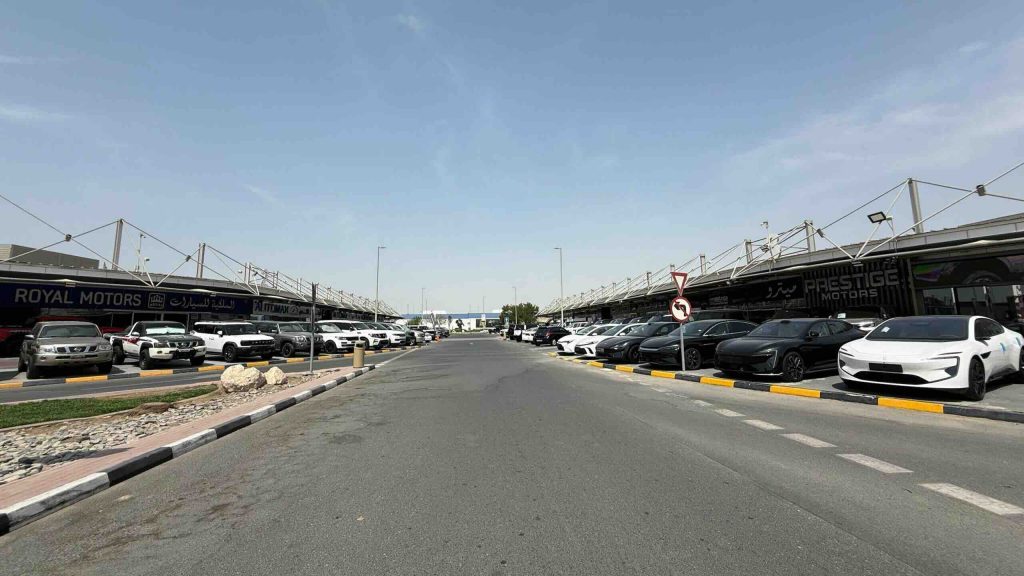
    Wide view of dealership rows at Al Aweer Auto Market, one of the most popular places to buy used cars in Dubai.

    Dubai offers several reliable places to explore used cars in Dubai, each with its own advantages depending on your budget, preferences, and buying style. Whether you want to compare many cars at once or prefer a streamlined online experience, the city gives you multiple safe and convenient options.

    1. Al Aweer Auto Market (Ras Al Khor)

    One of the most popular destinations for buyers who want to buy a used car in Dubai, Al Aweer Auto Market brings hundreds of licensed dealers together in one location. This makes it easy to compare prices, inspect cars in person, and negotiate directly with showroom owners.

    The market is especially useful for buyers who prefer seeing multiple vehicles in a single visit or want to explore different brands and categories side by side.

    2. Certified Dealerships and Agency-Approved Pre-Owned Showrooms

    Many official dealerships in Dubai offer certified pre-owned (CPO) vehicles. These cars usually come with:

    • Full service history
    • Inspection reports
    • Limited warranty options

    This is a good choice for buyers who want extra peace of mind and are willing to pay a little more for verified condition and dealership-backed assurance.

    3. Online Car Marketplaces

    Dubai has a rapidly growing online car market where buyers can browse thousands of vehicles from home. Online platforms allow you to filter cars by model, mileage, budget, and location, making the search faster and more organized.

    Platforms like alaweerautomarket.com help buyers shortlist vehicles in advance before visiting the dealer in person. This saves time and makes the entire process more efficient.

    4. Private Sellers (Direct Buyers & Sellers)

    Some buyers choose to purchase directly from private owners. This can sometimes mean lower prices, but it also requires extra caution. Always:

    • Check the service history
    • Verify the chassis number through official channels
    • Arrange a professional inspection
    • Complete the transfer only at RTA-approved centres

    Buying from private sellers can offer good deals but requires more due diligence.

    5. Auction Houses

    Dubai also has vehicle auctions (such as, Emirates Auction) where cars are sold at competitive prices. These auctions are typically attended by experienced buyers or dealers, but individuals can participate too. Auctions are ideal for those who understand car condition assessments and are comfortable bidding.

    With so many options available, the key is to compare prices, check documentation, and choose a platform or location that matches your comfort level. Whether you shop online or in person, Dubai makes it easy to find the best used cars in Dubai across different budgets and categories.

    How to Inspect a Used Car in Dubai (What Really Matters)

    Before you commit to buying a used car, a proper inspection is one of the most important steps. Even though Dubai’s market offers many well-maintained vehicles, every buyer should verify the condition independently. A good inspection helps you avoid hidden repair costs and ensures you are truly getting one of the best used cars in Dubai for your budget.

    1. Start With a Test Drive

    Most reputable showrooms in Dubai, especially in Al Aweer Auto Market, allow test drives upon request. Use this chance to evaluate:

    • Engine response
    • Gear shifts (automatic or manual)
    • Brake performance
    • Air conditioning strength
    • Any unusual noises

    If a dealer refuses a test drive, consider it a warning sign.

    2. Hire a Third-Party Inspection Service

    This is strongly recommended in Dubai. Independent inspection companies provide detailed reports that cover:

    • Engine health
    • Structural or accident damage
    • Electrical systems
    • Underbody condition
    • Paint thickness (to detect repainted panels)

    These reports typically include photographs and summaries, giving you confidence before negotiating or finalizing the deal.

    3. Check the Service History

    Always ask for:

    • Agency or workshop service records
    • Stamps from authorized service centres
    • Recent maintenance bills

    A clear and well-documented history is a positive sign. Missing or inconsistent records should make you cautious.

    4. Inspect for Accident or Flood Damage

    Dubai’s roads are generally safe, but minor accidents are common. Look for:

    • Misaligned body panels
    • Uneven gaps around doors or bonnet
    • Overspray or mismatched paint
    • Rusty bolts (indicating removed/replaced parts)

    If anything appears suspicious, rely on a professional inspection for confirmation.

    5. Review the Mileage Carefully

    Mileage in Dubai varies depending on location and usage. Urban cars usually accumulate moderate mileage, but always check whether the mileage matches the service records.

    A car with very low mileage but no documented history should be evaluated carefully.

    6. Ensure the Car Can Pass RTA Testing

    Every used car must pass an RTA inspection before ownership transfer. Ask the dealer:

    • Has the car already passed recently?
    • If not, will they handle the test before the sale?

    If the vehicle fails, repairs must be completed before transfer, so it is essential to clarify this early. In most cases when you want to buy a car the seller must go through a new inspection before transfer ownership and this is strongly recommended to be on the safe side.

    7. Verify the Chassis and Engine Number

    Make sure the numbers match the Mulkiya (registration card). This prevents legal issues and ensures the car has not been tampered with.

    8. Examine Interior Wear and Electronics

    Check:

    • Seats and upholstery
    • Dashboard condition
    • All electronic functions (windows, sensors, cameras, lights)

    Excessive wear may indicate harder usage than the mileage suggests.

    9. Use Online Platforms to Prepare Before Visiting

    Websites like alaweerautomarket.com which is the dedicated digital platform for Al Aweer Auto Market can help you shortlist vehicles in advance before visiting showrooms. This saves time and makes the inspection process much more efficient when deciding among multiple used cars in Dubai.

    The Documents You Must Check Before Buying a Used Car in Dubai

    When buying a used vehicle in the UAE, checking the documentation is just as important as inspecting the car itself. Proper paperwork ensures the car is legally owned, free of issues, and eligible for transfer through the RTA. Before finalizing your purchase, make sure the following documents are verified and complete when exploring used cars in Dubai.

    1. The Mulkiya (Registration Card)

    This is the most important document. It shows:

    • Owner’s name
    • Chassis number and engine number
    • Plate number
    • Vehicle model and year
    • Registration status

    Ensure that the details on the Mulkiya match the car physically. Any mismatch should be clarified before proceeding.

    2. Emirates ID or Passport Copy of the Seller

    If you are buying privately, request:

    • A copy of the seller’s Emirates ID, or
    • Passport copy with valid UAE visa

    This confirms that the person selling the car is the legal owner.

    3. RTA Passing Certificate

    Every used car in Dubai must pass the RTA technical inspection before ownership transfer.

    This test checks:

    • Brakes
    • Suspension
    • Chassis
    • Lights and safety systems

    If the car hasn’t passed yet, the seller is typically responsible for obtaining a valid Passing Certificate before the transfer.

    4. Service History Records

    Always ask for:

    • Agency or workshop service book
    • Stamped invoices
    • Previous maintenance receipts

    A complete history increases the reliability of used cars in Dubai and helps you compare options properly.

    5. Insurance Cancellation or Existing Insurance Details

    If the seller has active insurance, it must be cancelled before the ownership transfer. 

    6. Outstanding Fines or Salik Balance

    Before transferring ownership, the car must have:

    • Zero outstanding RTA fines
    • Zero outstanding Police fines
    • No pending Salik toll charges
    • If keeping the number plate of a car you are buying (usually applicable to buying used cars from private sellers) make sure there are also no fines associated to the number plate.

    You can request the seller to clear everything beforehand or check it online with RTA.

    7. Loan Clearance Letter (If the Car Was Financed)

    If the car was previously financed through a bank, the seller must provide:

    • A bank clearance letter stating the loan is fully paid

    RTA will not allow the transfer if the car is still under mortgage.

    8. Export or Import Documentation (If Applicable)

    If the vehicle was imported into Dubai or is intended for export, ensure that all customs and import papers are available.

    This is especially relevant when viewing cars in major markets like Al Aweer Auto Market, where export-ready vehicles are common.

    Tips for Getting the Best Deal on Used Cars in Dubai

    Buying a used car is all about timing, preparation, and knowing how to negotiate. These tips can help you secure a better price and avoid unnecessary risks when searching for the best used cars in Dubai or comparing used cars in Dubai from different sellers.

    1. Research Market Prices Before Visiting

    Check multiple platforms to understand the price range for the model you want. This prevents overpaying and gives you stronger negotiation power.

    Good places to compare prices include:

    • Dealership websites
    • Online marketplaces
    • Classified platforms
    • The official listings on our platform, alaweerautomarket.com

    2. Always Compare at Least Three Cars

    Never commit after seeing just one car. Two cars set the range, but three cars give you a realistic market value.

    3. Visit Al Aweer Auto Market for Better Price Comparison

    This location gathers hundreds of dealers in one place, making it easier to compare:

    • Prices
    • Specifications
    • Mileage
    • Condition

    It’s one of the best ways to evaluate multiple used cars in Dubai quickly.

    4. Use RTA Passing to Your Advantage

    A recently passed RTA test means:

    • No major mechanical issues
    • No chassis damage
    • No major faults detected

    If the car has a fresh passing certificate, you can negotiate better and also avoid unnecessary repair surprises.

    5. Get a Third-Party Inspection

    Independent inspection companies can reveal:

    • Past accident repairs
    • Hidden engine or transmission issues
    • Flood damage
    • Odometer tampering

    This protects you from future repair costs and strengthens your negotiating position.

    6. Negotiate Calmly and Professionally

    Negotiation is expected in Dubai, especially at Dubai auto markets like Al Aweer Auto Market. Tips:

    • Start slightly lower than your maximum budget
    • Use inspection findings as leverage
    • Avoid emotional reactions
    • Maintain professionalism and fairness
    • Be ready to walk away

    Some dealers won’t negotiate heavily, but many will meet buyers halfway if the offer is reasonable.

    7. Avoid Peak Hours

    Dealers are more relaxed and open to negotiation:

    • On weekdays
    • Earlier in the day
    • Outside busy weekends

    8. Use the Online Platform Before Visiting

    Platforms like alaweerautomarket.com allow you to:

    • Shortlist cars
    • View prices
    • Compare options
    • Schedule inspections or test drives in advance

    This saves time and ensures you visit only the cars worth considering.

    9. Check the Car’s Resale Value

    Some cars hold value better in the UAE.

    Examples:

    • Toyota
    • Nissan
    • Lexus
    • Certain German brands in good condition

    A strong resale model will save you money in the long run.

    10. Trust Your Instincts

    If something feels off about:

    • Pricing
    • Seller’s attitude
    • Car condition
    • Documents

    Walk away. There are thousands of used cars in Dubai, so you are never limited to one option.

    Mistakes to Avoid When Buying a Used Car in Dubai

    Buying a used car can save you money, but only if you avoid common mistakes many buyers make when they buy used car in Dubai. Dubai’s used car market is fast-moving, competitive, and filled with both great deals and potential risks. Understanding these mistakes will help you make a safe and confident decision when you buy used car in Dubai, whether from a showroom, online platform, or a major market like Al Aweer Auto Market.

    1. Not Checking the Car’s Service History

    One of the biggest mistakes people make when they buy used car in Dubai is ignoring the service history. A proper record shows how well the vehicle has been maintained and helps confirm realistic mileage and condition.

    2. Skipping a Professional Inspection

    A quick visual check is never enough. Before you buy used car in Dubai, always hire a third-party inspection service to check for leaks, accident repairs, electrical faults, or chassis damage. This step alone can prevent major financial losses.

    3. Relying Only on the RTA Passing Test

    While the RTA test ensures a basic level of roadworthiness, it does not guarantee perfect condition. Always review the full test report and request a fresh inspection before you buy used car in Dubai.

    4. Ignoring Accident or Insurance History

    Accident history affects safety, long-term reliability, and resale value. Always request this information before finalizing your purchase.

    5. Paying a Deposit Before Verifying Ownership

    Never pay a deposit until you confirm the seller’s identity, ownership, vehicle condition, and that the car is free from loans or fines. This is a common mistake when buyers rush to buy used car in Dubai.

    6. Not Comparing Prices Across the Market

    Prices can vary significantly depending on mileage, specs, and condition. Compare several listings to understand the true market value.

    7. Forgetting Hidden Costs

    When you buy used car in Dubai, remember to factor in registration fees, insurance costs, inspection fees, and potential repairs. Many buyers overlook these expenses and end up exceeding their budget.

    8. Rushing the Purchase

    Dubai’s used car market has thousands of options. Do not let sellers pressure you into making a quick decision. A safe and verified car is always better than a rushed deal.

    9. Not Checking Existing Bank Loans

    If a car still has a bank loan, the seller must clear it before transfer. Failing to confirm this can delay your purchase.

    10. Buying From Unverified Sellers

    Always buy from licensed dealers or verified platforms. Locations like Al Aweer Auto Market provide a safer and more transparent buying experience.

    FAQs About Buying Used Cars in Dubai

    Below are the most common questions people ask when they plan to buy used car in Dubai, covering essential processes, rules, and practical concerns.

    1. Is it safe to buy a used car in Dubai?

    Yes, as long as you follow proper steps such as checking RTA inspection results, third party inspection, verifying service history, and purchasing from licensed dealers or trusted marketplaces. Many buyers choose areas like Al Aweer Auto Market because of transparency and regulation.

    2. Do I need to check the car with RTA before buying it?

    Yes. Every car must pass the RTA test before ownership transfer. Even if the seller provides a recent passing certificate, many buyers still prefer to run a new check when they buy used car in Dubai to ensure up-to-date condition.

    3. Can expats buy used cars in Dubai?

    Absolutely. As long as you hold a valid Emirates ID, a UAE driving license, and insurance, expats can easily buy used car in Dubai and register it under their own name.

    4. What documents do I need to buy a used car in Dubai?

    You only need:

    • Emirates ID
    • Valid insurance
    • Passing certificate
    • Mulkiya issued at RTA after transfer

    Dealers often guide you through the process.

    5. Where is the best place to find reliable used cars in Dubai?

    Al Aweer Auto Market is one of the most trusted locations due to its licensed dealers and wide selection. Online platforms like alaweerautomarket.com also help you shortlist options before visiting in person when planning to buy used cars in Dubai.

    6. Should I buy from a private seller or showroom?

    Showrooms offer more security, while private sellers may offer lower prices. Always verify records and consider a third-party inspection.

    7. Are prices negotiable when buying a used car in Dubai?

    In most cases, yes. Dubai’s used car market expects negotiation, especially for vehicles with high mileage or minor cosmetic issues. But it is important to stay within boundaries and respect sellers final price.

    Final Conclusion

    Buying a used car in Dubai has become easier, safer, and more convenient than ever. With competitive prices, well-maintained vehicles, and a wide selection available across the city, Dubai remains one of the best places to buy a used cars confidently and within any budget. Whether you are searching for a family SUV, a reliable daily driver, sport car, luxury model, or an off-road car, or a super car, the market offers options for every type of buyer.

    Major destinations like Al Aweer Auto Market continue to play an important role in the city’s strong pre-owned car industry, bringing together trusted dealers and one of the largest selections of vehicles in the UAE. For many buyers planning to buy used car in Dubai, visiting this market is often the most efficient way to see multiple options in one place and compare prices directly.

    But to make the process even easier, the dedicated digital platform alaweerautomarket.com brings the physical market experience online. You can browse listings, compare cars, and contact verified dealers before visiting in person, allowing you to plan your purchase with confidence and save time during your search for the best used cars in Dubai.

  • Car Finance UAE – A Complete Guide to Car Loans, Rates, and Approval Requirements 2026

    Car Finance UAE – A Complete Guide to Car Loans, Rates, and Approval Requirements 2026


    Thinking about getting a car but unsure how car finance works in the UAE? Car finance UAE options can vary depending on the bank, your income, and the type of vehicle you choose, so understanding how the system works can help you make better decisions and avoid unexpected costs.

    The UAE offers one of the most flexible financing environments in the region. Many car buyers compare different car finance Dubai options because banks provide competitive interest rates, fast approvals, and financing solutions designed for both expats and UAE nationals. From low interest loans to Islamic financing and salary based approvals, the market offers multiple pathways to get the car you want.

    In this guide, we explain everything you need to know about car loan UAE requirements, how banks assess applications, which documents you need, and how interest rates work in 2026. You will also learn how to choose the best car loan UAE offers, how to avoid common mistakes, and how to compare financing options based on your budget and long term plans.

    Types of Car Finance in the UAE

    Calculator, coins, and a model car symbolizing car finance UAE costs and loan calculations.

    Understanding the different financing options available is the first step when exploring car finance UAE. Whether you are buying a new vehicle or a pre-owned car, knowing how each type of financing works will help you compare offers, understand bank requirements, and choose the right option for your budget. The UAE offers several methods, including conventional bank loans, Islamic auto finance, and dealership-arranged financing, each suitable for different buyers searching for reliable car loan UAE or car finance Dubai solutions.

    1. Conventional Bank Auto Loans

    Conventional auto loans are the most common financing option in the UAE. Banks typically finance up to eighty percent of the car’s value, while the remaining twenty percent is paid as a down payment. These loans usually come with fixed monthly payments and offer flexible repayment periods for both new and used vehicles. This makes them a preferred choice for buyers looking for straightforward car finance UAE options.

    2. Islamic or Sharia Compliant Auto Finance

    Islamic auto finance follows the Murabaha structure, where the bank buys the car and sells it to the customer at an agreed profit instead of charging interest. Customers who prefer Sharia compliant banking often choose this option, and it is widely available across the region with competitive terms. It remains a strong alternative within the car finance Dubai market.

    3. Dealership Arranged Financing

    Many dealerships in Dubai, including those located in Al Aweer Auto Market, provide direct financing assistance through their partner banks. Showrooms often handle the entire process for the buyer by submitting applications, coordinating documents, and managing approvals. This approach simplifies the car loan UAE journey for customers who want convenience without visiting multiple banks.

    4. Financing for Used Cars

    Financing a used car is available through most UAE banks, although some additional requirements may apply. Depending on the age and condition of the vehicle, banks may request a valuation report, an RTA passing certificate, or a higher down payment. Repayment terms may also be shorter compared to new vehicles. Many buyers choose this option due to the strong demand for pre-owned vehicles in the car finance UAE market.

    5. Common Requirements for Car Finance

    Regardless of the financing method, most banks in the UAE require the following:

    • Emirates ID and valid identification
    • A minimum down payment of twenty percent
    • Comprehensive insurance before the loan is activated
    • Recent bank statements
    • A salary certificate for salaried buyers
    • A trade license and financial documents for self-employed individuals

    These requirements form the basis of most car finance Dubai and car loan UAE applications and ensure compliance with UAE lending guidelines.

    Car Finance Eligibility and How Banks Evaluate Applications

    Credit report showing an excellent credit score of 760, an important factor for car finance UAE approvals.

    Understanding how banks assess eligibility is one of the most important parts of applying for car finance UAE. While documents and interest rates matter, approvals mainly depend on income, credit history, employer status, and overall financial commitments. Whether you are applying for car finance Dubai or anywhere else in the country, banks across the UAE follow similar criteria.

    1. Minimum Salary Requirements

    Most UAE banks have a minimum income requirement for car loan UAE approvals. This typically ranges between AED 5,000 and AED 8,000 per month, depending on the bank.

    Higher salaries generally mean faster approvals and better interest rates.

    2. Employment and Stability

    Your employment status plays a major role in eligibility:

    • Salaried employees usually need at least 3 to 6 months of continuous employment.
    • Self-employed individuals may be required to provide trade license details and company bank statements showing healthy turnover.
    • Applicants working for listed or approved employers often receive easier approvals.

    3. Credit Score and AECB Report

    Banks evaluate your Al Etihad Credit Bureau (AECB) score to understand past financial behavior.

    A strong score increases your chances of qualifying for competitive car finance UAE rates.

    Missed payments, loan defaults, or high outstanding debt can lead to rejection or higher interest rates.

    4. Debt Burden Ratio (DBR)

    By UAE Central Bank rules, no borrower can exceed a 50 percent debt-to-income ratio.

    This means your total existing monthly loan payments plus the new car loan UAE installment cannot cross half your income.

    5. Age Requirements

    Most banks require applicants to:

    • Be at least 21 years old
    • Not exceed 60 to 65 years at the time the loan ends (This varies between banks and whether you are salaried or self-employed).

    6. Vehicle Requirements

    Banks also assess the vehicle being financed:

    • Age limits usually apply to used cars
    • Some banks do not finance non-GCC spec or salvage-history cars
    • Certain brands or high-value luxury vehicles may require larger down payments

    7. Account History

    Applicants with stable banking history, regular salary credit, no returned cheques, and consistent account activity, typically receive faster approvals.

    Documents Required for Car Finance in the UAE

    Applying for car finance in the UAE is a straightforward process when you prepare the required documents in advance. Banks in Dubai and across the UAE generally follow similar documentation standards for both new and used vehicles. Having everything ready helps speed up approval for your car loan in the UAE, whether you apply through a showroom, dealership, or directly with the bank.

    1. Emirates ID and Passport Copy

    A valid Emirates ID is mandatory for all applicants. Banks often ask for a passport copy with a valid residence visa page. These are essential for processing any car finance Dubai or UAE-wide applications.

    2. Salary Certificate or Employment Letter

    Salaried employees must provide a recent salary certificate confirming:

    • Position
    • Monthly salary
    • Employer details

    This document helps banks verify your income and evaluate eligibility for a car loan UAE application.

    3. Bank Statements

    Most banks require three to six months of bank statements. These show income patterns, expenses, and existing loan liabilities. Clean and consistent account activity strengthens your profile when applying for car finance UAE programs.

    4. Trade License and Company Documents (For Self-Employed Applicants)

    Business owners must provide:

    • Valid trade license
    • Company bank statements
    • Partner or shareholder documents if applicable

    These help banks assess business stability before approving a car finance Dubai application.

    5. Car Quotation or Proforma Invoice

    This document states the car’s details, value, and seller information. Banks need it to determine the approved loan amount for any car loan in the UAE.

    6. Liability Letter (If Requested)

    Some banks ask for a liability letter from your current bank listing existing loans or credit card balances. This helps ensure your total debt stays within the Debt Burden Ratio required for car finance UAE applications.

    7. Driving License

    A valid UAE driving license is typically required before loan disbursal. Some banks allow you to apply without one, but will release the loan only after the license is issued.

    Car Loan Interest Rates in the UAE (Flat vs Reducing Explained)

    Understanding how interest rates work is one of the most important parts of comparing car finance in the UAE. Banks in the UAE use two methods to calculate interest: flat rate and reducing balance rate. Even though both are used for auto loans, they function very differently and can affect the total amount you pay.

    Flat Rate Interest (Most Common for Car Finance UAE)

    With a flat rate, interest is calculated on the original loan amount for the entire duration of the loan. This method is the most widely used for car loan UAE products offered by major banks.

    What to know:

    • Interest is charged on the full principal
    • Monthly instalments remain fixed
    • Easy to understand and commonly offered for car finance Dubai applications

    Banks often market flat-rate loans because they are simple and predictable for buyers.

    Reducing Balance Interest (Less Common, More Accurate Cost)

    With a reducing balance rate, interest is calculated on the remaining loan balance, meaning it decreases as you continue paying off the loan.

    What to know:

    • Interest reduces as the outstanding balance decreases
    • Can be more cost-efficient depending on the bank
    • More common with some Islamic banking and flexible auto finance products

    Reducing rates usually appear numerically higher because they reflect the real borrowing cost.

    Flat Rate vs Reducing Rate: What’s the Difference?

    • A flat rate looks lower but often results in a higher total repayment
    • A reducing balance rate looks higher but can cost less overall
    • Banks are required to provide an “effective rate” when asked, which helps compare both methods

    Which One Is Better?

    It depends on:

    • The bank’s specific offer
    • The repayment duration
    • Whether you want lower monthly payments or a lower total cost

    Most buyers applying for car finance in the UAE receive flat-rate offers, while reducing-balance options are available through select banks.

    Key Tip for Buyers

    Always ask the bank for:

    • The flat rate
    • The reducing (effective) rate
    • The total repayment amount over the full tenure

    This is the only accurate way to compare offers and select the right car finance UAE package.

    Down Payments and How Much You Really Need

    When applying for car finance in the UAE, one of the most important factors banks look at is your down payment. The UAE has clear regulations on how much buyers must pay upfront, and understanding these rules helps you plan your budget more accurately.

    Minimum Down Payment Required in the UAE

    The UAE Central Bank requires:

    A minimum 20 percent down payment for all auto loans in the UAE.

    This rule applies to:

    • New cars
    • Used cars
    • Dealers and private sellers
    • Expats and UAE nationals
    • All banks offering car loan UAE products

    Some banks and showrooms may offer promotional structures, but the 20 percent minimum remains the nationwide requirement.

    When You May Need to Pay More Than 20 Percent

    Some buyers are asked to pay a higher down payment, depending on:

    • Low monthly salary
    • High existing debt
    • A low credit score
    • Financing older vehicles
    • Non-GCC-spec cars (varies by bank)

    In these cases, banks may request 25 to 30 percent to reduce risk, especially for used or imported vehicles.

    Zero-Down-Payment Car Finance in Dubai: Is It Real?

    Many advertisements claim zero-down-payment car finance in Dubai, but it is important to understand how this works:

    • Zero down payment is not allowed on bank loans
    • These offers usually come from dealers, not banks
    • The dealer increases the car price and pays the 20 percent on your behalf
    • You still end up financing a higher amount

    So technically, it is possible, but only through dealer-structured pricing, not through official car loan UAE regulations.

    How Down Payments Affect Your Approval

    A higher down payment can:

    • Increase your chances of approval
    • Lower your monthly instalments
    • Reduce your total interest cost
    • Improve your debt-burden-ratio (DBR), which banks use for approval

    If you want faster approval under car finance Dubai programs, increasing your down payment is often helpful.

    Tip for Buyers

    Ask your bank and your dealer for a complete breakdown that includes:

    • The total loan amount
    • The required down payment
    • Any additional fees
    • The actual cost of a “zero-down” offer if presented

    This gives you clarity and prevents confusion during the car finance process.

    Loan Tenure in the UAE and How It Affects Your Total Cost

    When applying for car finance in the UAE, choosing the right loan tenure is one of the most important decisions you will make. Most banks in the UAE offer repayment periods ranging from one year up to five years, and the tenure you select directly influences your monthly payments, approval chances, and the total cost of your car.

    Loan Tenure Options in the UAE

    Banks offering car loan UAE products typically allow you to choose a payment plan of:

    • 12 months
    • 24 months
    • 36 months
    • 48 months
    • 60 months (five years, which is the maximum allowed for auto loans)

    Your choice depends on your salary, financial comfort, and the bank’s approval criteria.

    Shorter Tenure: Higher Monthly Payments, Lower Total Cost

    A shorter repayment period usually means:

    • Higher monthly instalments
    • Lower total interest paid
    • Faster completion of your loan
    • Stronger eligibility if you have higher income

    Shorter tenures appeal to buyers who want to minimise long-term interest while still benefiting from car finance Dubai offers.

    Longer Tenure: Lower Monthly Payments, Higher Total Cost

    A longer loan term results in:

    • Lower monthly instalments
    • Higher total interest paid over time
    • Easier approval for buyers with lower monthly income
    • Slightly increased long-term financial commitment

    This makes longer tenures popular among expats and first-time buyers applying for car finance UAE programs.

    How Banks Decide Your Tenure Eligibility

    Banks may determine your maximum allowable tenure based on:

    • Your monthly salary
    • Your existing debts (DBR)
    • Credit score
    • Car age (older cars sometimes get shorter tenures)
    • Employment stability

    If the car is older or has high mileage, some banks may limit the tenure to three or four years for risk control.

    Which Tenure Should You Choose?

    In general:

    • Choose shorter tenures if you want to save on interest.
    • Choose longer tenures if you need lower instalments or higher affordability.

    Banks in the UAE will provide multiple options, but selecting the right balance between affordability and total cost is essential.

    Step by Step: How the Car Finance Process Works in the UAE

    Understanding how the approval process works can save you time and prevent delays. The steps are similar across banks, whether you apply for car finance UAE programs through a showroom, a dealership, or directly through a bank.

    1. Choose the car and get a quotation

    The process begins with selecting the vehicle you want to purchase.

    The seller will give you a car quotation, which includes the model, year, chassis number, and price.

    This quotation is required for all car loan UAE applications.

    2. Prepare the required documents

    Banks will only begin assessing your application once they receive all the required paperwork.

    For both expats and UAE nationals, this usually includes Emirates ID, passport copy, driving licence, bank statements, and a salary certificate.

    Dealers partnering with car finance Dubai providers often help you prepare everything.

    3. Submit your application to the bank

    You can apply through:

    • The car dealership
    • The bank directly
    • An online banking platform (if available)

    The bank will then review your profile, your credit history, and your eligibility. Some of the bank in UAE are such as ENBD, ADCB, FAB, ADIB and more.

    4. Bank evaluates your credit report

    Banks in the UAE rely heavily on your credit report from the Al Etihad Credit Bureau.

    They review your repayment history, missed payments, credit card usage, and existing loans.

    This step strongly influences approval for car finance UAE applicants.

    5. Bank issues an initial approval

    If everything is acceptable, the bank sends an initial approval confirming that you qualify.

    This approval includes:

    • Maximum loan amount
    • Expected interest rate
    • Down payment requirement
    • Any conditions the bank needs you to meet

    This approval must be received before proceeding with the purchase.

    6. You arrange car insurance

    Banks require full insurance before releasing the loan.

    You can choose any insurer as long as the policy meets the bank’s requirements.

    Most dealerships working with car finance Dubai applicants can arrange insurance on the spot.

    7. Bank transfers the payment to the seller

    Once insurance is completed, the bank releases the loan amount directly to the seller, not to the buyer.

    At this stage, your loan officially begins.

    8. Registration and ownership transfer

    The final step is registering the car under your name at the RTA or other emirate authority.

    Dealers typically handle this step for you if you purchase through a showroom.

    After registration is complete, you receive the new Mulkiya (registration card) and the car is officially yours to drive.

    Final Tips Before You Apply for Car Finance in the UAE

    Before submitting your application for car finance in the UAE, taking a few extra steps can help you secure better rates, smoother approvals, and avoid unnecessary delays.

    1. Check Your AECB Credit Score First

    Banks rely heavily on your AECB score to decide approval, interest rate, and loan limits.

    A higher score means:

    • Faster approval
    • Better rates
    • Lower overall cost

    If your score is low, consider improving it before applying.

    2. Avoid Multiple Applications at the Same Time

    Submitting several loan applications to different banks within a short period can negatively affect your credit score.

    Compare options first, then apply to one bank at a time.

    3. Compare Flat and Reducing Rates Carefully

    A loan with a lower flat rate can sometimes cost more than a loan with a higher reducing rate.

    Always calculate the total repayment amount, not just the advertised percentage.

    4. Choose a Loan Tenure That Matches Your Budget

    Longer tenures reduce monthly payments but increase total interest paid.

    Shorter tenures save money overall but require higher monthly payments.

    Find a balance based on your monthly income and comfort level.

    5. Understand All Fees Before Signing

    Banks may charge:

    • Processing fees
    • Early settlement fees
    • Insurance loading
    • Rescheduling fees

    Ask for a full cost breakdown before committing to any car loan in the UAE.

    6. Verify the Car’s History Before Financing

    For used cars:

    • Check the accident history
    • Confirm mileage accuracy
    • Ensure the car has a valid passing report

    Banks may reject a loan if the vehicle does not meet their quality requirements.

    7. Keep Your Documents Ready

    Having your documents prepared speeds up approval:

    • Emirates ID
    • Passport and visa
    • Salary certificate
    • Bank statements
    • Driving license
    • Car quotation

    Missing paperwork is one of the most common causes of delays.

    8. Confirm Whether Your Employer Is Bank-Approved

    Some banks approve loans faster for employees of certain companies.

    If your employer is not approved, expect additional requirements.

    9. Consider Salary Transfer Benefits

    Some banks offer:

    • Lower interest
    • Faster approvals
    • Higher loan amounts

    If you transfer your salary to them. If not, you will still be eligible, but the terms may differ.

    10. Ask About Islamic Finance Options

    Many banks offer Sharia-compliant auto finance in the UAE, which can be a good option if you prefer transparent, interest-free structures.

    Frequently Asked Questions About Car Finance in the UAE

    1. Is it easy to get car finance in the UAE?

    Yes, most banks offer quick approvals if you meet their income requirements, have a good AECB credit score, and provide the required documents. Salaried employees generally receive faster approvals than self-employed applicants.

    2. What is the minimum salary for car loan approval in the UAE?

    Most banks require a minimum monthly salary of AED 5,000, although some banks may approve loans starting from AED 3,000 depending on employer classification and credit score.

    3. Can expats apply for car finance in Dubai?

    Absolutely. Expats make up a large portion of car finance Dubai applications. Banks will typically request proof of employment, a valid visa, and AECB credit history.

    4. How much down payment is required?

    The UAE Central Bank mandates a 20 percent minimum down payment for car loans. Some dealers may advertise “zero down payment” offers, but these usually involve third-party financing arrangements.

    5. What documents are required for car finance in the UAE?

    Typically:

    • Emirates ID
    • Passport and visa
    • Driving license
    • Salary certificate or trade license
    • Bank statements
    • Car quotation from the showroom or dealer

    6. How long does car loan approval take?

    Most banks approve car loan UAE applications within 1 to 3 days. Some offer same-day approval for eligible customers.

    7. What is the maximum loan period?

    Car loans in the UAE typically range from 12 to 60 months. The longer the tenure, the lower the monthly payment but the higher the overall interest paid.

    8. Can I settle my car loan early?

    Yes, but banks may charge an early settlement fee, usually around 1 percent of the remaining amount or a capped figure set by Central Bank guidelines.

    9. Can I get car finance for a used car?

    Yes. Most banks offer financing for used cars purchased from approved dealerships. Some banks do not finance very old vehicles, so age limits may apply.

    10. Do Islamic banks offer auto finance?

    Yes. Many UAE banks offer Sharia-compliant auto finance UAE options, structured around Murabaha or Ijarah instead of interest-based lending.

    How Al Aweer Auto Market Supports Car Buyers and Dealers

    al aweer auto market

    Al Aweer Auto Market has long been one of Dubai’s most active locations for car trading, and its digital extension now makes the entire process even more accessible. Whether you are financing a car, comparing models, or exploring options across different dealers, the platform helps both buyers and dealerships operate more efficiently.

    For Buyers

    • Browse cars from licensed dealers in one trusted space
    • Compare prices, specifications, and mileage before visiting in person
    • Save listings and explore finance-friendly options with clarity
    • Connect directly with dealers without middlemen

    For Dealers

    • Showcase inventory to a wider online audience beyond the physical market
    • Build visibility with professional listings and real-time lead inquiries
    • Reach buyers actively searching for cars in Dubai and the UAE
    • Strengthen credibility through a centralized digital presence

    As the market increasingly shifts toward online browsing and digital decision-making, the Al Aweer Auto Market digital platform offers a smoother way for buyers and dealerships to connect, communicate, and carry out car-related transactions more confidently.

    Conclusion

    Understanding how car finance in the UAE works makes the entire car-buying process smoother, whether you are purchasing your first vehicle or upgrading to a new model. From choosing the right type of financing and preparing the required documents to comparing interest rates and securing bank approval, every step becomes easier when you know what to expect.

    With clear eligibility rules, competitive loan options, and fast approval processes offered by UAE banks, buyers in Dubai and across the country have access to flexible financing solutions that suit different budgets and needs. By staying prepared and reviewing all offers carefully, you can secure the right car loan with confidence and avoid unnecessary costs or delays.

  • How to Export Car from Dubai – A Simple and Helpful Guide for 2026

    How to Export Car from Dubai – A Simple and Helpful Guide for 2026


    Thinking about how to export car from Dubai and wondering if it’s really worth it? You’re not alone, and this guide walks you through the entire process step by step. Dubai has become a major hub for global car exports, attracting buyers, dealers, and traders from Africa, Asia, Europe, and beyond. With competitive prices, a massive selection of vehicles, and direct access to international shipping routes, the city is considered one of the most practical places to start if you plan to export car from Dubai in 2026.

    Many people explore the export car dubai market because vehicles in the UAE are often well maintained, have lower mileage, and come with reliable service records. This makes Dubai a popular source for export-ready cars that can be shipped to international destinations quickly through major ports like Jebel Ali.

    Whether you are exporting a single car for personal use or entering the wider UAE car export industry as a business, the process involves clear steps: choosing the right vehicle, preparing documents, deregistering the car, obtaining an export certificate, clearing customs, and arranging transport.

    This guide breaks down each stage in a simple, step-by-step format so you can understand exactly how to export car from Dubai confidently, efficiently, and without unnecessary delays.

    Why Many Choose to Export Car from Dubai and the UAE

    Car dealerships at Al Aweer Auto Market with rows of vehicles ready to export car from Dubai.
    Al Aweer Auto Market with rows of vehicles ready to export car from Dubai

    Dubai has become one of the most popular starting points for car exports due to a combination of pricing, availability, and logistics. These advantages attract both individual buyers and professional exporters who are looking for a reliable and efficient way to export car from Dubai to overseas markets.

    1. Competitive Pricing Compared to Other Countries

    Vehicles in Dubai often sell at lower prices than in many international markets. This is driven by:

    • High supply and fast model turnover
    • Strong demand for luxury upgrades
    • Frequent resale from expat owners

    Note: For exporters, this price gap can create profitable resale opportunities abroad.

    2. Large Variety of Vehicles in One Market

    Dubai offers access to a broad mix of brands and categories in a single location:

    • Japanese, European, American, and GCC-spec vehicles
    • Economy cars, SUVs, pickups, and luxury models
    • Export-focused dealers with ready-to-ship stock

    Note: This concentration allows buyers to source vehicles faster without searching across multiple cities or countries.

    3. Well-Maintained and Low-Mileage Cars

    Many cars in the UAE are:

    • Regularly serviced, with dealerships and owners following scheduled maintenance due to hot weather conditions.
    • Driven on smooth, high-quality roads, which helps reduce wear on suspension, brakes, and underbody components.
    • Often owned for shorter periods, as expats frequently buy and sell cars within a few years, resulting in lower mileage compared to other markets.

    Note: This often results in better condition vehicles, which are more attractive in overseas markets.

    4. Direct Access to Major Shipping Ports

    Dubai’s infrastructure makes global shipping straightforward:

    • Proximity to Jebel Ali Port and Port Rashid
    • Frequent export routes to Africa, Asia, and Europe
    • Established logistics companies specializing in vehicle transport

    Note: This reduces shipping time and simplifies export planning.

    5. Experienced Dealer and Export Network

    Many licensed dealers, especially in markets like Al Aweer Auto Market are familiar with export processes and can assist with:

    • Export documentation
    • Customs coordination
    • Transport and loading arrangements

    Note: This support is helpful for both first-time exporters and businesses managing regular shipments.

    Where to Find Cars for Export in Dubai

    Car Handover for Export from Dubai

    When exporting a vehicle, the first step is sourcing the right car from a trusted location. Dubai offers several reliable channels for anyone planning to export car from Dubai to international markets.

    1. Al Aweer Auto Market

    Al Aweer Auto Market is Dubai’s largest auto market and a hub for car trading and a popular destination for export buyers. It offers:

    • Hundreds of licensed showrooms in one location
    • A wide range of export-ready vehicles, including SUVs, pickups, and GCC-spec models
    • Dealers experienced in paperwork, customs, and shipping support
    • Most dealers can assist with how to export a used car from Dubai
    • Competitive pricing due to high supply and turnover
    • A dedicated digital platform that helps with browsing and shortlisting remotely

    Note: Its concentration of exporters makes it one of the most efficient places to source vehicles for international shipment.

    2. Independent Dealerships

    Across Dubai, many private dealerships specialize in export sales.

    • Stock includes both locally used and imported vehicles
    • Some offer pre-inspection reports or RTA passing certificates
    • Many are open to bulk purchases and price negotiation
    • Dealers may help arrange transport to ports or logistics centers

    Note: Always verify the dealer’s trade license and vehicle history before committing.

    3. Official Brand Showrooms (Pre-Owned Divisions)

    Authorized showrooms such as Toyota, Nissan, Mercedes-Benz, BMW, and others have certified pre-owned departments that sometimes allow export purchases.

    • Cars are inspected and serviced to manufacturer standards
    • Warranty may be limited or invalid outside the UAE (varies by brand)
    • Pricing is typically higher but offers peace of mind regarding condition

    Note: Not all brands permit export, so confirmation is required in advance.

    4. Auctions

    Dubai hosts public and dealer-only auctions that can offer competitive prices.

    • Suitable for bulk buyers or traders
    • Vehicles are sold “as is,” so inspection is crucial
    • Export documentation is usually the buyer’s responsibility
    • Bidding rules and deposits may apply

    Note: Auctions can be an opportunity, but experience is recommended.

    5. Online Platforms

    Digital platforms such as Al Aweer Auto Market allow buyers to browse available vehicles before arranging purchase or export in person.

    • Convenient for shortlisting options remotely
    • Some listings are specifically labeled as export-ready
    • Buyers should still verify condition and documents directly with the seller

    Note: Online browsing is helpful, but physical inspection remains important for export.

    Tip:

    For export purchases, always confirm:

    • Vehicle specifications required by the destination country (e.g., emissions, left/right-hand drive)
    • Whether the destination accepts GCC-spec vehicles
    • Availability of export certificates and clearance documents

    Documents Required to Export a Car from Dubai

    If you plan to export car from Dubai, you might wonder what documents do I need? When exporting a car, proper documentation is essential. Without the correct paperwork, the export process cannot proceed through RTA, customs, or shipping providers. The required documents vary slightly depending on whether the exporter is an individual or a business, but the core requirements are generally the same. Below is your checklist of documents you need to prepare:

    1. Vehicle Registration Card (Mulkiya)

    This document confirms the car’s legal ownership and contains key details such as:

    • Vehicle chassis number (VIN)
    • Plate number
    • Owner name
    • Registration status

    Note: If the car is unregistered or recently deregistered, proof of ownership is still required.

    2. Passport and Emirates ID (for Individuals)

    To export car from Dubai you must show valid identification. If the owner is overseas, a legal representative can handle the export with a notarized Power of Attorney.

    3. Trade License (for Companies / Dealers)

    Businesses that plan to export car from Dubai multiple vehicles must present:

    • Valid UAE trade license
    • Authorized company representative documents

    Note: Some ports may also request a company stamp on export forms.

    4. Export Certificate from RTA

    This is one of the most important documents to export car from Dubai. The vehicle must be deregistered in Dubai and converted to “Export Status” before it can leave the UAE. Once issued, the export certificate:

    • Confirms vehicle de-registration
    • Allows the car to exit the country legally
    • Replaces the active registration card

    Note: Temporary export plates may be issued if the car needs to be driven to the port.

    5. Original License Plates

    Plates must usually be returned to the RTA during the export certificate process unless temporary export plates are requested.

    6. Vehicle Inspection / Passing Report

    If the car is currently registered, an RTA inspection may be required before de-registration or export, depending on the vehicle’s status. This confirms:

    • Roadworthiness
    • Chassis identity
    • No tampering or fraud issues

    Note: Some unregistered vehicles may be exempt depending on the export destination and RTA guidelines.

    7. Purchase Invoice or Sales Agreement

    Required when:

    • The vehicle was recently purchased
    • Ownership has just changed hands
    • A dealer is exporting on behalf of a buyer

    Note: It must include the chassis number, seller details, and sale amount.

    8. Owner Authorization (If Exporting on Someone’s Behalf)

    If the exporter is not the vehicle owner:

    • Power of Attorney (POA)
    • Authorized company letter (for business-owned vehicles)

    Note: May be required by RTA or customs.

    Tip:

    Make photocopies and digital scans of all documents. Shipping agents and customs offices may request multiple copies during the process.

    Step-by-Step Process to Export Car from Dubai

    If you plan to export car from Dubai, you might wonder, what do I do, and in what order? This topic involves several official procedures. Completing each step in the correct order helps avoid delays at RTA, customs, or shipping ports. Below is a roadmap and the sequence of actions to follow:

    Step 1: Purchase the Vehicle and Confirm Ownership

    Before anything else, the car must legally belong to the exporter.

    • Complete the sale with the seller or dealer
    • Obtain a sales agreement or invoice
    • Ensure the chassis (VIN) matches the documents
    • Clear any outstanding finance or fines

    Important: A car that is still under bank mortgage cannot be exported until the loan is fully settled and released in the RTA system.

    Step 2: Clear Any Existing Fines or Violations

    RTA will not issue an export certificate if the vehicle has:

    • Unpaid traffic fines
    • Salik (toll) penalties
    • Outstanding violations

    Note: These must be settled before de-registration.

    Step 3: Vehicle Inspection (If Required)

    Depending on the car’s current status:

    • Registered vehicles may require an RTA inspection (Passing Test) to confirm identity and chassis integrity.
    • Unregistered vehicles may be exempt, depending on export rules and destination country requirements.

    Note: Many exporters still choose an inspection for peace of mind and to avoid customs issues abroad.

    Step 4: Deregister the Vehicle at RTA

    The car must be officially removed from UAE road status. This is done by converting the car’s registration to “Export Status.” During de-registration:

    • RTA cancels the registration
    • Number plates may be surrendered
    • A de-registration record is issued

    Note: This step is mandatory before the vehicle can leave the UAE.

    Step 5: Obtain the RTA Export Certificate

    Once deregistered, you can request an official Export Certificate. This document:

    • Confirms the car is cleared for export
    • Replaces the active registration card
    • Is required by customs and shipping companies

    Note: Without this certificate, the vehicle cannot exit the UAE.

    Step 6: Apply for Temporary Export Plates (If Needed)

    If the vehicle needs to be driven from location to port:

    • Temporary plates can be issued for a limited duration
    • Insurance may be required depending on the transport method

    Note: If the car is being transported by recovery truck, plates may not be necessary.

    Step 7: Arrange Transport to the Port

    Options include:

    • Driving the car (with temporary plates)
    • Hiring a recovery truck
    • Dealer-arranged transport
    • Logistics company collection

    Note: Vehicles must be delivered to the designated export yard or port terminal for processing.

    Step 8: Complete Customs Clearance

    At the port:

    • Documents are checked
    • Export certificate is verified
    • Customs clearance is processed
    • Any port handling fees are paid

    Note: A shipping agent or logistics provider can assist with paperwork if needed.

    Step 9: Confirm Shipping and Final Handover

    Depending on the chosen method (Ro-Ro, container, or air freight):

    • The car is loaded and secured
    • Final shipping documents are issued
    • Tracking details may be provided

    Note: Once the vehicle departs, the process in Dubai is complete. Taxes or duties in the destination country will apply upon arrival.

    Shipping Options and Logistics

    Shipping containers being loaded by a crane at a port, representing logistics to export car from Dubai to international destinations.

    Once a vehicle has been deregistered and cleared for car export from Dubai, the next major step is choosing how to ship it out of Dubai. The UAE offers multiple transport methods, each suited to different budgets, destinations, and vehicle types. Understanding these options helps exporters plan costs, timing, and insurance correctly.

    1. Roll-On Roll-Off (RoRo) Shipping

    RoRo is one of the most common methods for car export from Dubai.

    How it works:

    • The vehicle is driven onto a specialized RoRo vessel.
    • Secured in place for transport.
    • Driven off at the destination port.

    Advantages:

    • Cost-effective for standard cars.
    • Faster loading and unloading.
    • Ideal for large volumes or bulk shipments.

    Considerations:

    • You cannot ship personal items inside the vehicle.
    • Only available on routes and ports that support RoRo services.

    Best for: Standard vehicles going to major ports in Africa, Asia, and Europe.

    2. Container Shipping

    In this method, the vehicle is placed inside a sealed container — alone or with other cars.

    Advantages:

    • High security and protection from weather or damage.
    • Allows multiple cars per container (20ft or 40ft).
    • Personal items or spare parts may be included (depending on regulations).

    Considerations:

    • More expensive than RoRo.
    • Loading and unloading require additional handling.

    Best for: Luxury cars, classic vehicles, high-value exports, or destinations without RoRo access.

    3. Air Freight

    The fastest but most expensive option.

    Advantages:

    • Quick delivery — often within days.
    • Maximum protection and controlled handling.
    • Suitable for urgent shipments.

    Considerations:

    • Extremely high cost.
    • Limited capacity and weight restrictions.

    Best for: VIP vehicles, rare cars, motorsport shipments, or urgent deliveries.

    4. Land Transport to GCC Countries

    For car export from Dubai or the UAE to nearby destinations like Saudi Arabia, Oman, Bahrain, or Kuwait, cars can be transported via road carriers.

    Advantages:

    • Faster than sea shipping for regional destinations.
    • Flexible delivery schedules.
    • Can be cost-effective for single-vehicle transport.

    Considerations:

    • Border customs and insurance requirements vary by country.
    • Some countries have specific vehicle regulations (e.g., left-hand drive rules).

    Best for: Exports to GCC and nearby regional markets.

    5. Choosing a Shipping Agent

    Most exporters who plan to export a car from Dubai work with licensed logistics companies that handle:

    • Booking vessel space
    • Port documentation
    • Customs paperwork
    • Loading and transport arrangements
    • Insurance options

    Tip: Always compare quotes from multiple agents and confirm delivery timelines, tracking options, and handling fees.

    6. Marine Insurance

    While optional, marine insurance is strongly recommended. It typically covers:

    • Theft
    • Damage during loading/unloading
    • Damage in transit
    • Loss at sea

    Premiums depend on:

    • Vehicle value
    • Shipping method
    • Destination country

    Summary

    Choosing the right shipping method when you export car from Dubai depends on:

    • Budget
    • Vehicle value
    • Destination port availability
    • Urgency
    • Security needs

    RoRo is often the cheapest way to export a car from Dubai, container shipping offers the best protection, and air freight is the fastest option. Land transport remains ideal for regional GCC exports.

    Costs and Fees to Export Car from Dubai

    Person calculating costs with a calculator and document, estimating expenses to export car from Dubai.

    To Export car from Dubai it involves several expenses beyond just the price of the car. Understanding these costs upfront helps avoid surprises and allows exporters to plan their budget more accurately.

    While fees can vary based on vehicle type, destination country, and service provider, the list below covers the most common costs involved in the export process.

    1. Vehicle Purchase Price

    This is the amount paid to the seller, whether a dealership, auction, or private owner.

    Factors that influence pricing include:

    • Make, model, and year
    • Mileage and condition
    • GCC vs non-GCC specification
    • Market demand in the destination country

    For bulk exporters, discounted pricing may be possible.

    2. RTA Export Certificate Fee

    To legally export car from Dubai, an RTA Export Certificate is required.

    Typical cost: Approximately AED 100–200 (Exact fees may vary based on RTA updates.)

    This fee is paid during the de-registration process before shipment.

    3. Vehicle Inspection Fee (If Required)

    Some cars may need an RTA inspection before export, especially if the vehicle is still registered.

    Typical cost: Around AED 170–250 (Depends on vehicle type and inspection center.)

    Unregistered vehicles may not require inspection in some cases.

    4. Number Plate Return / Temporary Export Plates

    When exporting a car:

    • Standard UAE plates must be returned to RTA.
    • Temporary export plates may be issued if the vehicle needs to be driven to the port.

    Typical cost for temporary plates: AED 60–120

    5. Customs and Clearance Fees

    Customs processing fees apply when the vehicle exits the UAE. If a shipping agent handles the process, clearance fees are usually included in their service charge.

    Estimated range: AED 300–800 (Varies by port and service provider.)

    Import taxes and duties are paid in the destination country, not in Dubai.

    6. Shipping Costs

    Shipping costs depend on:

    • Destination
    • Shipping method (RoRo, container, air freight)
    • Vehicle size and weight
    • Single vs multiple cars

    Typical ranges:

    • RoRo shipping: AED 1,000–5,000+
    • Container shipping: AED 4,000–12,000+ per container
    • Air freight: Significantly higher, often AED 30,000+

    Rates vary widely and should be confirmed with logistics companies.

    7. Loading, Handling, and Port Charges

    Ports may charge fees for:

    • Loading the vehicle
    • Terminal handling
    • Storage if the vehicle stays longer than allowed

    Estimated range: AED 200–600, depending on duration and port.

    8. Marine Insurance (Optional but Recommended)

    Insurance protects the vehicle during transport against:

    • Damage
    • Theft
    • Loss

    Premiums typically cost 0.5% to 2% of the vehicle value, based on destination and shipping method.

    9. Agent or Service Fees (If Using an Export Service)

    Export agents or dealers may charge for:

    • Document processing
    • Customs support
    • Port handling
    • Shipping coordination

    Typical range: AED 300–1,500, depending on services included.

    Summary

    When you plan to export car from Dubai, total costs usually include:

    • Car purchase price
    • RTA export fees
    • Inspection (if required)
    • Shipping costs
    • Customs clearing fees
    • Optional insurance
    • Agent/service charges

    Actual costs vary, so exporters should request quotes and confirm fees before committing.

    How Long Does Car Export from Dubai Take?

    When you export car from Dubai usually follows a predictable timeline, but the total duration can vary depending on paperwork, inspections, and shipping schedules. Here’s a general breakdown of what to expect:

    1. Vehicle Purchase and Payment

    Timeframe: 1 to 3 days

    • Faster if buying directly from a dealer with experience of car export from Dubai
    • May take longer if negotiations, inspections, or bank transfers are involved

    2. RTA De-registration and Export Certificate

    Timeframe: Same day (1 to 3 hours)

    • Submit plates, complete paperwork, and obtain the export certificate
    • Some cases may require inspection, adding extra time

    3. Vehicle Inspection (If Required)

    Timeframe: 1 day

    • RTA inspection may be needed if the vehicle is still registered or recently purchased
    • Bookings and peak hours may affect timing

    4. Customs Clearance

    Timeframe: 1 to 3 days

    • Depends on documentation accuracy and port processing
    • Export agents can speed up this step

    5. Shipping Wait Time

    Timeframe: 7 to 30 days

    • Depends on destination and shipping method (Ro-Ro vs. Container)
    • Some regions have weekly sailings, others bi-weekly or monthly

    Total Estimated Timeline

    10 to 40 days from purchase to overseas departure. Faster if:

    • Paperwork is prepared in advance
    • Using experienced export dealers or agents
    • Shipping routes are frequent (e.g., Africa and Asia)

    Tips to Avoid Delays

    • Double-check all documents before visiting RTA or customs
    • Confirm shipping schedules early
    • Use licensed export agents for complex destinations
    • Keep digital and printed copies of all paperwork

    Key Tips and Common Mistakes to Avoid When Exporting a Car from Dubai

    When planning to export car from Dubai, it can be straightforward, but small errors can lead to delays, added costs, or even rejected shipments. These practical tips help keep the process smooth and compliant. Below are some key tips for a smooth Dubai car export:

    1. Verify Vehicle Specifications

    Different countries have rules on:

    • Left-hand vs. right-hand drive
    • Emission standards
    • Engine size limits
    • Safety requirements

    Note: Always confirm the destination country’s rules before purchasing the car.

    2. Check Vehicle History and Condition

    Request:

    • Service records
    • Accident history
    • Mileage validation
    • RTA passing report (if available)

    Note: Better condition = easier resale and fewer export complications.

    3. Use Licensed Dealers or Agents

    Experienced exporters can:

    • Arrange documents
    • Handle customs
    • Coordinate shipping

    Note: This reduces errors and speeds up the process, especially for first-time exporters.

    4. Compare Shipping Methods

    • Ro-Ro is usually cheaper but may take longer
    • Containers offer more security and protection

    Note: Choose based on destination, value, and urgency.

    5. Keep Multiple Copies of Documents

    Carry:

    • Printed copies
    • Digital scans
    • Receipts and invoices

    Note: Ports and shipping agents often request duplicates.

    Common Mistakes to Avoid

    1. Buying a Car That Isn’t Eligible for Export

    Not all vehicles are accepted in every country. Some destinations ban:

    • Salvage or damaged vehicles
    • Flooded or tampered chassis
    • Certain fuel types or specs

    Note: Failing to check rules early can result in wasted money.

    2. Forgetting to Deregister the Vehicle

    A car cannot leave the UAE without an RTA export certificate. Skipping this step will stop the shipment at customs.

    3. Miscalculating Total Costs

    Some exporters forget to factor in:

    • Port fees
    • Customs charges in the destination country
    • Insurance
    • Shipping taxes or duties

    Note: Always calculate the full cost-to-delivery, not just the UAE price.

    4. Not Checking Shipping Schedules

    Some routes operate weekly or monthly. Missing a sailing can delay export by weeks.

    5. Paying Sellers Without Proper Documentation

    Never make full payment without:

    • Sales agreement
    • Invoice with VIN number
    • Proof of ownership

    Note: Lack of documentation can block export approval.

    Quick Tip:

    If you’re exporting multiple cars, consider consolidating them in a single container to reduce shipping costs per vehicle.

    Frequently Asked Questions (FAQ)

    1. Do I need to be in Dubai to export a car?

    No. A trusted representative can handle the process if they have a notarized Power of Attorney and the required documents.

    2. Can I export a financed or loaned car?

    Not until the loan is fully settled and the bank issues a clearance letter removing the mortgage from the vehicle.

    3. Do I need insurance to export car from Dubai?

    No. Insurance is not required once the car is deregistered for export. It’s only needed if the car will be driven on UAE roads before export.

    4. How long does the process to export car from Dubai take?

    If all documents are ready, the RTA export certificate and de0registration can often be completed the same day. Shipping timelines vary by destination.

    5. Can I export multiple cars at once?

    Yes. Individuals and companies can export multiple vehicles, but each car requires its own export certificate and documentation.

    6. Can any car be exported from Dubai?

    Most cars can be exported, but the destination country must accept the vehicle’s specifications (for example, left/right-hand drive or emissions rules).

    7. Do license plates need to be returned?

    Yes. Original UAE plates are usually surrendered during deregistration unless temporary export plates are issued for transport to the port.

    8. Can the car be driven after it’s deregistered?

    No. It can only be moved with temporary export plates or via transport truck.

    Conclusion

    Exporting a car from Dubai becomes much easier when you follow the key steps: selecting the right vehicle, preparing the required documents, obtaining the RTA export certificate, and arranging customs and shipping. Thanks to competitive pricing, a wide vehicle selection, and direct access to major shipping ports, Dubai is considered one of the most practical starting points for anyone planning to export car from Dubai to international markets.

    For buyers and dealers sourcing export-ready vehicles, the Al Aweer Auto Market digital platform offers a convenient way to browse options, compare cars, and connect with licensed and verified dealers experienced in export procedures, helping streamline the process before visiting in person.

    Whether you are exporting a single vehicle or managing regular shipments, having reliable information and trusted partners can make the entire journey faster, smoother, and more secure.

  • How to Sell a Car in Dubai – A Complete and Useful Guide for 2026

    How to Sell a Car in Dubai – A Complete and Useful Guide for 2026

    Are you wondering how you can sell a car in Dubai and what’s the best way to approach it? Well it is a straightforward process, whether you’re upgrading to a new vehicle, planning to leave the country, or simply ready to move on from your current car. To complete the sale smoothly and avoid delays, it’s important to understand each step clearly, from preparing your car and choosing where to sell, to passing RTA inspection and completing ownership transfer.

    In this guide, we’ll walk you through how you can sell a car in Dubai step by step, covering everything you need to know about documentation, pricing, inspections, registration, and the safest ways to handle payments.

    Preparing Your Car for Sale in Dubai

    Before listing or showing your car to potential buyers, proper preparation can significantly improve the selling experience and help you sell your car faster and more smoothly.

    Clean the car inside and out 

    A well-presented car leaves a better impression. Get a full interior and exterior detailing, remove personal items, and make sure the car looks as clean as possible before photos or viewings.

    Fix minor issues and handle basic maintenance

    Small fixes can make a big difference when you want to sell a car in Dubai:

    • Replace worn-out tires, lights, or wipers.
    • Top up engine fluids and ensure there are no dashboard warning lights.
    • Consider doing a basic service if it’s due soon.

    Gather all essential documents

    Buyers will always ask for proof of history and condition. Prepare:

    • Original Emirates ID
    • Registration card (Mulkiya)
    • Service history or invoices
    • Warranty / service contract documents (if applicable)
    • Spare keys
    • Vehicle modification approvals (if any)

    Consider getting an RTA test or independent inspection before listing

    An RTA passing certificate or a third-party inspection report can increase buyer confidence and help you sell your car faster, especially for private sales or online listings.

    Take high-quality photos

    Clear photos help attract serious buyers when you’re trying to sell a car in Dubai. Include:

    • Exterior from multiple angles
    • Interior front and back
    • Dashboard and mileage
    • Engine bay and trunk
    • Any existing scratches or modifications

    Set a realistic and competitive price

    Check prices on major listing platforms and compare with similar models, year, mileage, and condition. Avoid pricing too high, as buyers in Dubai generally compare options quickly.

    Tip: To sell your car faster, a well-prepared car reduces negotiation pressure and avoids RTA inspection surprises.

    Where to Sell a Car in Dubai

    1. Authorized Brand Showrooms (Trade-In or Direct Sale)

    Authorized showrooms such as Toyota (Al-Futtaim), Nissan (Arabian Automobiles – AW Rostamani), Mercedes-Benz (Gargash), BMW (AGMC), and others accept cars through both trade-ins and direct purchase offers, especially if the car is their own brand and was originally purchased from one of their official brand showroom branches.

    • You can sell your car directly to the showroom even if you are not trading in your car for a new one with them.
    • Cars that meet brand standards are often resold as certified pre-owned, which usually gives you a more consistent and professionally assessed valuation.
    • Showrooms perform a detailed inspection and provide an official offer based on mileage, age, service history, and market demand.
    • Offers are generally lower than private or independent dealer sales, but the process is secure, regulated, and handled end-to-end.
    • They can also settle outstanding finance (if any) directly with your bank before issuing payment.
    • Paperwork, ownership transfer, and RTA steps are usually handled entirely by the showroom.

    Best for: Sellers who want a safe, straightforward, and professional selling experience without negotiation or hassle.

    2. Independent Dealerships

    Independent dealerships are one of the most common and flexible places to sell a car in Dubai. These are licensed used-car dealers located across the city, including many inside Al Aweer Auto Market.

    • Dealers buy cars of all makes, models, and conditions, from daily-use vehicles to luxury and export-ready cars.
    • Pricing is usually more flexible compared to official showrooms, and negotiation is expected.
    • Many dealers buy cars even if they were originally financed, and can directly settle the remaining loan with the bank before completing the purchase.
    • Some dealers specialize in certain segments (SUVs, luxury, 4x4s), which can sometimes result in better valuations if your car matches their demand.
    • Dealers typically inspect the car on the spot and make an immediate cash or bank-transfer offer.
    • Many dealerships can also assist with RTA paperwork, ownership transfer, and providing temporary or export plates if needed.
    • For sellers who need quick liquidity, dealers offer one of the fastest turnaround times, often completing the deal the same day.

    Best for: Sellers who want a fast sale, flexible negotiation, and immediate payment.

    3. Auto Markets (Al Aweer Auto Market)

    Al Aweer Auto Market in Ras Al Khor is one of Dubai’s most active hubs for buying and selling cars. With hundreds of licensed dealerships operating side by side, it’s one of the most popular places for sellers who want multiple offers in a short amount of time.

    • You can visit multiple showrooms in one trip, compare offers, and negotiate directly with dealers interested in your car.
    • Many dealers at Al Aweer specialize in specific brands or categories, which often helps sellers get more accurate valuations depending on the car’s demand.
    • Dealers handle both local and export purchases, sellers of export-ready cars (SUVs, pickups, Japanese models, etc.) may receive competitive offers from export-focused dealers.
    • The market’s location in Ras Al Khor Industrial Area provides access to RTA testing centers, insurance offices, and logistics services, making the selling process easier.
    • All dealerships operate under valid trade licenses and are monitored by Dubai authorities, giving sellers additional confidence in the transaction.
    • Many dealers provide assistance with RTA ownership transfer, temporary plates, and export documentation where required.
    • Payments are typically fast, with most dealers offering same-day bank transfers or certified payments.

    Best for: Sellers who want multiple offers, faster comparison, and the ability to finalize the sale in a single visit.


    4. Private Sales

    Selling a car privately, either through online listings, social platforms, or personal connections, can sometimes help you sell your car for a higher price compared to selling to dealers. However, it requires more time, effort, and careful verification from both sides.

    • Private sellers often set their own price, giving more room to negotiate based on condition, mileage, and demand.
    • Buyers typically expect full transparency, so providing service history, inspection reports, and clear photos can greatly speed up the process.
    • Private sales are usually cash-only or bank-transfer transactions, and there is no warranty or after-sales support unless the existing warranty is still valid.
    • You must always meet at an RTA-approved center (such as Tasjeel or Shamil) to complete the ownership transfer safely.
    • The car must pass RTA inspection before transfer if registration is being renewed or if the buyer intends to drive it in Dubai.
    • For safety, avoid meeting in private locations and never release the car before receiving full payment.
    • Private buyers may take longer to finalize decisions, so selling privately can be slower compared to dealing with dealerships.

    Best for: Sellers who want to maximize their sale price and don’t mind handling the process themselves.

    Inspection, Passing & Vehicle History Reports

    Before selling a car in Dubai, it’s important to ensure the vehicle is in good condition and that all required documents and reports are in order. These steps help you avoid delays during ownership transfer and increase buyer confidence, especially when dealing with private buyers or dealers who request verification.


    1. RTA Vehicle Inspection (Passing Test)

    If the buyer intends to register and drive the car in Dubai, the vehicle must pass the official RTA inspection.

    • The test checks brakes, chassis, lights, emissions, tires, and overall roadworthiness.
    • Any failed items must be repaired before the car can pass.
    • If you’re only selling the car for export and the buyer will not register it in the UAE, a passing test is not required.
    • Dealers at Al Aweer Auto Market can handle the test for you if needed.

    Tip: Getting the inspection done before listing your car can help you negotiate better and avoid surprises.

    2. Vehicle History Reports (TASJEEL, RTA, or Third-Party)

    A clean history report builds trust and makes it easier to sell a car in Dubai.

    • You can check for past accidents, mileage inconsistencies, and ownership history through services such as:
      • RTA Vehicle Condition Certificate
      • Tasjeel Auto Insurance Reports
      • Third-party Services 
    • Buyers, especially private ones, usually request a history report before making an offer.

    Best practice: Prepare the report in advance so buyers feel confident in the transaction.

    3. Service History & Maintenance Records

    Buyers value a well-maintained car.

    • Provide official service records from agency service centers or reputable garages.
    • Cars with full service history (FSH) typically get higher offers.
    • Keep receipts for recent work such as brakes, tires, battery, or major repairs, they help justify your asking price.

    4. Optional Pre-Sale Inspection (Mechanic or Third-Party)

    For private sales, consider getting an independent mechanical inspection. Most buyers usually perform a pre-purchase inspection at their own cost.

    • Third-party inspectors can check engine health, paint thickness, structural integrity, and underbody condition.
    • Reports include photos and detailed assessments that reassure buyers.
    • This can speed up the sale and reduce negotiation arguments.

    Best for: Sellers who want transparency and a smoother selling process.

    Insurance, Ownership Transfer & Registration

    Selling a car in Dubai involves a few key processes at the RTA level. What happens next depends on whether the buyer plans to register and drive the car in the UAE or only transfer ownership (common for exporters). Below is the clear, step-by-step breakdown.

    1. Insurance Requirements (Only for Buyers Who Will Register the Car)

    If the buyer intends to register and drive the car in Dubai, they must have valid car insurance before registration is completed.

    • The insurance policy must be activated and uploaded to the RTA system before registration.
    • Insurance can be arranged by the buyer directly or through the dealership’s insurance partners.
    • The cost depends on the car type, driver profile, past claims, and whether agency repair is included.
    • Export buyers do not need insurance, since they aren’t registering the car in the UAE.

    Important: The car cannot be registered without active insurance. Ownership transfer will not be finalized until this is in place.

    2. RTA Ownership Transfer (Local Sale)

    For a normal sale within the UAE:

    • Both the seller and buyer must visit an RTA-approved center such as Tasjeel, Shamil, or Wasel.
    • The car must have:
      • A valid passing test (if registration is being renewed or changed).
      • No outstanding fines.
      • No bank mortgage (or it must be cleared first).
    • Payment is usually confirmed before the transfer begins — either directly between buyer and seller or via the showroom’s finance team.
    • Once paperwork is complete, the buyer receives:
      • A new registration card (Mulkiya)
      • Number plates (random or personalized)

    Note: Showrooms often handle the entire transfer process for buyers and sellers — especially official brand showrooms.

    3. Ownership Transfer Without Registration (Export or Non-Driving Sale)

    For sales where the buyer does not plan to drive the car in the UAE:

    • No insurance is required.
    • No passing test is required for registration.
    • Only change of ownership is processed.
    • Buyer receives an export certificate if the car is leaving the UAE.
    • The car cannot be driven or plated until:
      • It passes an RTA inspection
      • It is insured
      • It is registered later (in UAE or abroad)

    Note: For short-distance movement inside the UAE, buyers can obtain temporary movement permits from RTA.

    4. Number Plates (Random or Personalized)

    When registering a car, buyers have two options:

    • Random RTA-issued plates (default option at registration)
    • Personalized / premium plates, which can be purchased from:
      • RTA directly
      • Approved auction partners
      • Authorized resellers

    Note: If the car is registered through a showroom, the plate is normally randomized unless the buyer already owns or purchases a custom number.

    Final Tips for Selling a Car in Dubai

    Selling a car in Dubai is straightforward once you understand the process, but keeping a few final best practices in mind can help you secure a smoother, safer, and more successful sale.


    1. Prepare Your Car Properly


    A well-presented car always attracts better offers.

    • Wash and detail the exterior and interior.
    • Fix small issues like bulbs, wipers, or minor scratches if cost-effective.
    • Ensure the car is clean and free of personal items before viewings or inspections.


    2. Gather All Service & Maintenance Records


    Buyers trust cars with documented history.

    • Agency or reputable garage service history adds value and increases buyer confidence.
    • Keep receipts for recent work — brakes, tires, battery, or repairs.


    3. Be Transparent


    When selling your car, honesty speeds up the sale and prevents disputes.

    • Disclose any past accidents, major repairs, or modifications.
    • Provide inspection reports or allow buyers to conduct their own.


    4. Verify Buyer Information


    Before accepting any payment or visiting the RTA:

    • Verify the buyer’s Emirates ID.
    • Confirm contact details.
    • Only meet at official RTA centers for the transfer.


    5. Never Release the Car Before Full Payment


    This is non-negotiable.

    • For large amounts, prefer bank transfers or certified manager’s cheques.
    • If the buyer is financing the purchase, the RTA teller or showroom finance officer will confirm the bank approval before initiating transfer.


    6. Understand Your Car’s Market Value


    Compare prices across:

    • Independent dealerships
    • Al Aweer Auto Market
    • Online listings
    • Dealer trade-in offers

    This helps you set a realistic expectation and negotiate confidently.


    7. Keep All RTA Documents Safe


    After the sale:

    • Keep the sale agreement, payment proof, and the old Mulkiya copy.
    • Ensure the buyer receives the new Mulkiya and plates (if applicable).
    • Confirm the car is no longer under your name in the RTA system.

    A Better Way to Sell Your Car

    As Dubai’s car market continues to evolve, Al Aweer Auto Market digital platform is creating a smoother way for private sellers and dealers to connect with genuine buyers.

    Whether you want multiple offers, fast processing, or a trusted online space to manage your sale, your journey is becoming simpler, clearer, and more accessible than ever.

  • How to Buy a Car in Dubai – A Complete and Useful Guide for 2026

    How to Buy a Car in Dubai – A Complete and Useful Guide for 2026

    Planning to buy a car in Dubai, and wondering how and where you can buy used car in Dubai? This is one of the most common questions for both residents and newcomers. Whether you’re looking for a new car from a showroom, a pre-owned car from a trusted dealership, or a great deal at an auto market like Al Aweer Auto Market, understanding how the process works can save you time, money, and effort.

    In this guide, we’ll walk you through on how to buy a car in Dubai step by step, from exploring different buying options to completing registration and ownership transfer. You’ll also learn how alaweerautomarket.com is redefining the car buying experience in Dubai by bringing the city’s most popular auto market into the digital space, making it easier than ever to find your next car.

    Where to buy a car in Dubai

    There are several ways to buy a car in Dubai, depending on your budget, preferences, and whether you’re looking for a new or used model. Here are the three main options every buyer should know about:

    1. Official Brand Showrooms

    Authorized showrooms represent major manufacturers such as Toyota (Al-Futtaim), Nissan (Arabian Automobiles – AW Rostamani Group), Mercedes-Benz (Gargash), and BMW (AGMC), and many others.

    • Best suited for new cars that come with full warranty and after-sales support.
    • Offer financing and trade-in programs directly through banks and partners.
    • You can book test drives, customize your car, and complete the purchase in one visit.

    Tip: Prices are generally fixed, but during promotional periods they may offer limited discounts to buy a car. You can sometimes negotiate extras such as free servicing, extended warranty, or registration.

    2. Independent Dealerships

    Independent or private dealerships in Dubai sell both new and used cars, sourced either locally or through international imports.

    • Ideal for those looking to buy used car in dubai with flexible pricing and a wide selection across different makes and models.
    • Also ideal for new or rare cars that may be unavailable or limited at official brand showrooms.
    • Always verify the dealer’s trade license and review the car’s history report for peace of mind.
    • Some dealerships offer in-house warranties, service contracts, or RTA inspection certificates as part of their sales process.
    • Many independent dealers are also open to negotiation on price, trade-ins, or value-added extras like tinting or registration assistance.

    Tip: Before finalizing the purchase, review insurance and financing options, take the car for an RTA-approved inspection, and consider hiring a third-party inspection service to check the car’s body and mechanical condition.

    3. Auto Markets (Al Aweer Auto Market)

    Al Aweer Auto Market in Dubai with multiple dealerships in one location, a popular auto market for buying a car in Dubai.

    Al Aweer Auto Market, located in Ras Al Khor, is one of Dubai’s largest and most recognized destinations for buying and selling cars. The market brings together hundreds of licensed dealers in one place, offering a wide range of options from everyday economy cars to high-end luxury and export-ready models.

    • Hundreds of showrooms operate side by side, allowing visitors to compare cars, prices, and conditions within a single visit.
    • The market is popular among local and international buyers, with many dealers experienced in handling export sales, customs clearance, and shipping.
    • Facilities on-site include RTA testing and registration centers, such as the nearby Al Aweer Enoc Tasjeel Center, insurance offices, financing providers, car accessory shops, and free parking spaces, making it possible to complete most of the process in one place.
    • All showrooms operate under valid trade licenses and are monitored by Dubai government authorities, ensuring fair and transparent transactions.
    • Many dealers also offer insurance and financing options through approved banks and partners, helping buyers complete their purchases more conveniently.
    • The market’s location in Ras Al Khor Industrial Area provides easy access to major highways and logistics centers, which benefits both local customers and export traders.

    Tip: Once you find a car you’re interested in, confirm that the dealer is licensed, review the RTA passing certificate, and check insurance and ownership transfer details before paying any deposit. If you’re unsure about the car’s condition, consider hiring a third-party inspection service for a professional mechanical and body check.

    Payment Options (Cash, Loan, or Lease)

    1. Cash Payment

    Paying in cash is the simplest and fastest way to buy a car in Dubai.

    • You pay the full amount upfront, either directly to the dealership or through a certified bank transfer.
    • Cash purchases avoid bank interest, monthly payments, and the wait time for loan or financing approvals.
    • Most sellers offer small incentives such as free registration, minor discounts, or free servicing for cash buyers, this is usually negotiable with independent dealerships, but not common with official brand showrooms.
    • Always make sure to get a sale agreement, invoice, and payment receipt before ownership transfer.

    Best for: Buyers who want full ownership immediately and plan to keep the car long-term.

    2. Car Loans

    Car loans are one of the most common payment methods for buy a car in Dubai.

    • Banks usually finance up to 80% of the car’s value, while buyers pay at least 20% down payment upfront.
    • Loan terms typically range from 1 to 5 years, depending on the bank and your income.
    • The car remains mortgaged to the bank until the loan is fully paid off.
    • To apply, you’ll need documents such as your Emirates ID, driving license, and car quotation. 
    • For salaried individuals, banks typically require a salary certificate and recent bank statements.
    • For self-employed applicants or businesses, banks may ask for trade license, company bank statements (3–6 months), audited financials, and sometimes partner/shareholder documents to assess eligibility.
    • Both salaried and self-employed buyers can apply for car loans, but approvals depend on the bank’s criteria, including a review of your Al Etihad Credit Bureau (AECB) records and overall financial profile.
    • Both official brand showrooms and independent dealerships often work directly with approved bank partners and can help facilitate financing for buyers who prefer to purchase through a loan.
    • Interest rates and processing fees vary between banks, typically ranging from 2.5% to 4.5% flat per year depending on the car type and loan term, so it’s best to compare offers or check if the dealer has preferred banking partnerships that provide better terms.

    Best for: Buyers who prefer to spread out payments over time, maintain cash flexibility, and build credit history while owning their car.

    3. Leasing

    Car leasing has become increasingly popular in Dubai and across the UAE, especially for residents who prefer flexibility over ownership.

    • With a lease, you pay a monthly fee to use the car, typically for 1 to 3 years, depending on the agreement.
    • The car remains registered under the leasing company, and insurance, servicing, and registration renewals are often included in the package.
    • At the end of the lease, you can return, extend, or upgrade to a new model without the hassle of selling.
    • Leasing is available through some official brand showrooms (such as Toyota), specialized leasing companies, as well as many independent dealerships, including some of those in Al Aweer Auto Market, that offer short- or long-term lease options.
    • It’s important to review mileage limits, early termination conditions, and included services before signing any lease agreement.

    Best for: Expats or residents who prefer to change cars frequently or avoid the responsibilities and costs of ownership.

    Insurance, Ownership Transfer, and Registration

    After you’ve arranged your payment or financing, the next steps depend on how you are buying the car and whether you plan to register it for personal use in Dubai or UAE or simply transfer ownership. There are generally three cases:

    Case 1: Buying a car from Independent Dealerships

    In most independent dealership transactions, buyers first place a refundable reservation deposit to reserve the car if necessary. Once the payment or financing is arranged and confirmed, both the buyer and seller visit an RTA center (such as Tasjeel Center) to complete the process.

    • The RTA officer or teller verifies the payment status and documents before initiating the ownership transfer.
    • After approval, the ownership is transferred to the new buyer in the RTA system.
    • If the car is being registered for road use, the buyer must have valid car insurance uploaded to the RTA system. Registration cannot be completed until an active insurance policy is linked to the vehicle under the new owner’s name.
    • Once insurance is verified, the registration card (Mulkiya) and number plates are issued on the spot.
    • Buyers can choose between RTA-assigned plates or purchase a personalized plate through RTA or authorized resellers.

    Case 2: Buying a car from Official Brand Showrooms

    In official brand showrooms (for e.g. Toyota, Nissan, or BMW), the process is usually handled by the sales and finance departments on your behalf.

    • Once your payment or loan approval is confirmed, the showroom coordinates directly with RTA for inspection, insurance, and registration.
    • In most cases, your physical attendance is not required, you only need to submit your Emirates ID, driving license, and signed documents.
    • The showroom delivers the car fully registered, with number plates and the Mulkiya (registration card) ready for immediate use.
    • Showrooms can help arrange car insurance through their partnered providers, or you can choose to arrange your own policy. In both cases, the insurance must be active and updated in the RTA system before registration can take place.
    • When it comes to number plates, most showrooms register the car with a random RTA-issued plate unless you already have a personalized plate that you’ve purchased or wish to assign to your new vehicle.

    Case 3: Ownership Transfer Only (No Registration)

    If you are buying a car for export or storage, you typically only need to complete the ownership transfer without registration.

    • This process takes place at RTA center (such as Tasjeel Center), with both buyer and seller present.
    • The RTA officer or teller verifies the payment status and documents before initiating the ownership transfer.
    • After approval, the ownership is transferred to the new buyer in the RTA system.
    • The car does not require inspection or insurance since it will not be registered for road use.
    • Once ownership is transferred, the car cannot be driven or plated until it is re-inspected, insured, and registered. However, in certain cases, temporary movement permits can be obtained from RTA or approved testing centers to allow limited movement of an unregistered vehicle — for example, transporting it for inspection, maintenance, or export.

    Inspection, Passing, and Vehicle History Reports

    Before finalizing a car purchase in Dubai, it’s important to ensure the vehicle is in good condition and has a clean history. Whether you’re buying from an authorized brand showroom, independent dealership, or private seller, performing these checks helps you make an informed and safe decision.

    RTA Inspection (Passing Test):

    • Every car that’s being sold or re-registered in Dubai must pass an official inspection at an RTA-approved testing center such as Tasjeel, Shamil, or Wasel. The test checks key components like the engine, chassis, lights, brakes, and emissions. If the vehicle fails, the issues must be repaired before re-testing.
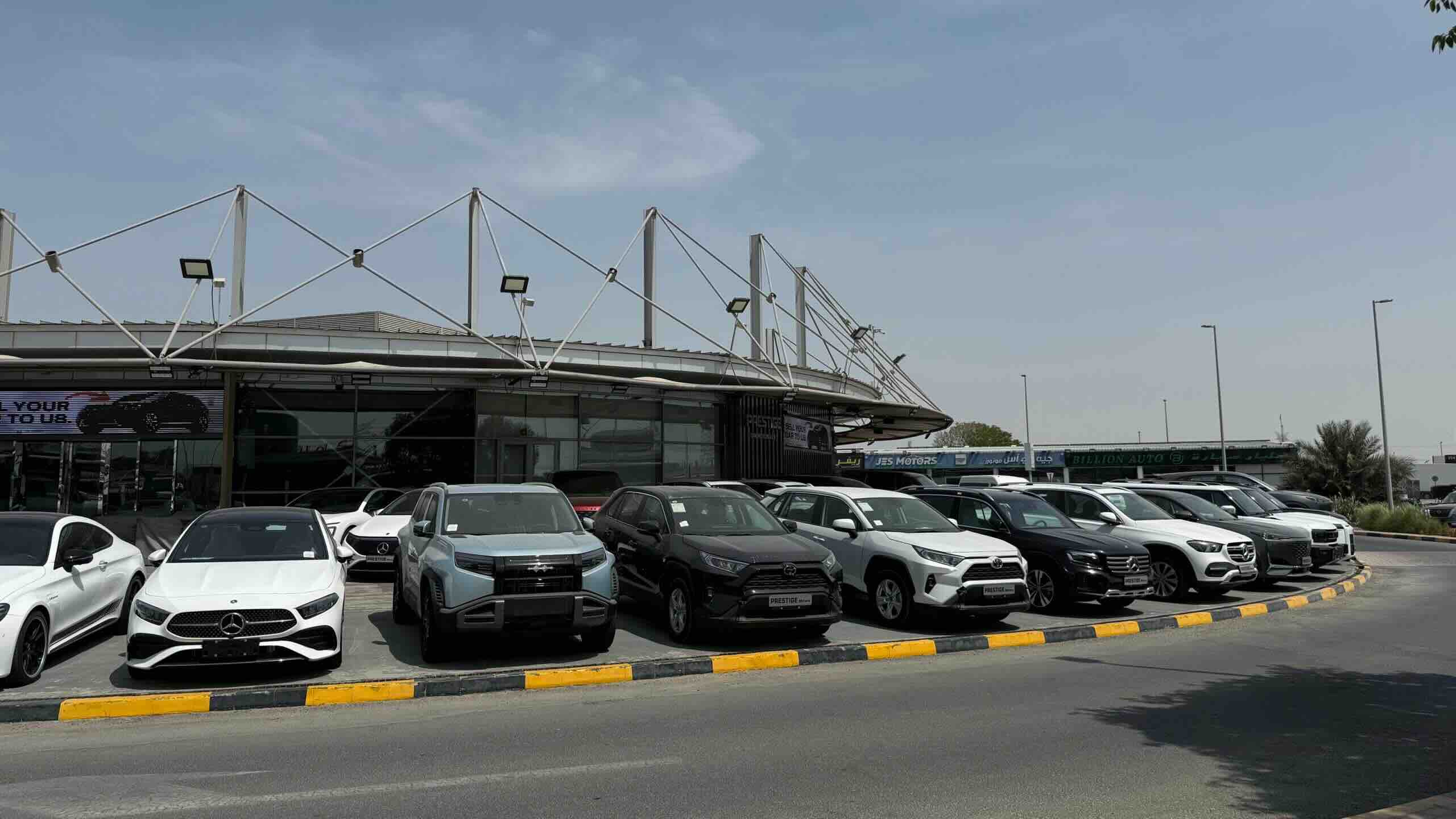
    Third-Party or Pre-Purchase Inspection:

    • Many independent garages and inspection companies across Dubai offer detailed mechanical and body evaluations. These reports can reveal hidden damage, repainting, or accident repairs that aren’t always visible at first glance.
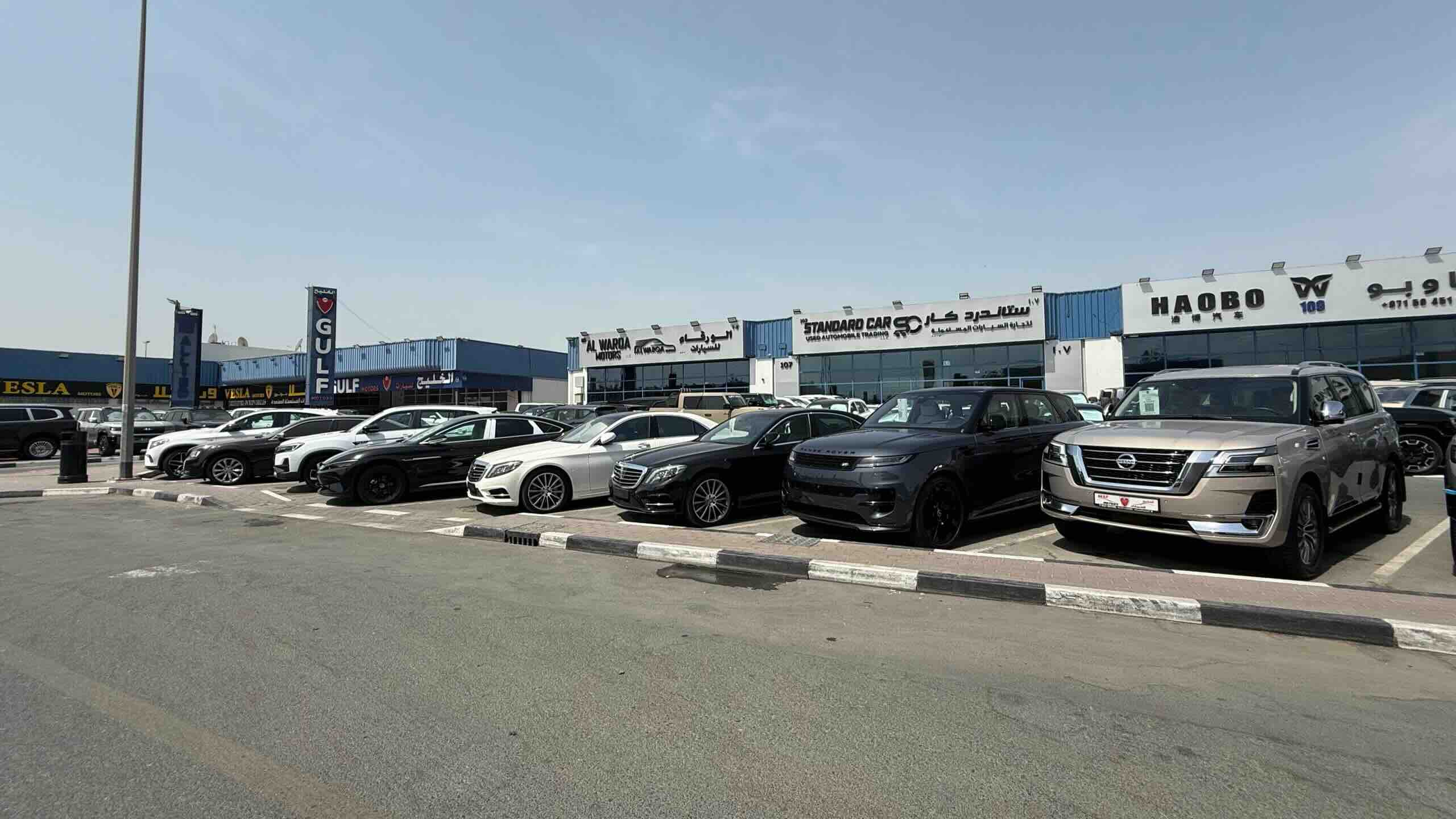
    Vehicle History Report:

    • Before buying a car, it’s strongly recommended to review a vehicle history report from trusted providers such as Emirates Vehicle Gate (EVG) or RTA. These reports include ownership history, mileage records, accident data, and sometimes service logs.

    Why It Matters:

    • Combining an RTA test, third-party inspection, and history report gives you the clearest picture of the car’s true condition, protecting you from unexpected costs or legal issues later.

    Tip: Always request the most recent RTA passing certificate and cross-check the vehicle identification number (VIN) in all documents. If the car is being exported, ensure that inspection requirements for the destination country are also met before shipment.

    Final Tips for Buying a Car in Dubai

    Car handover process at a Dubai dealership highlighting final tips for buying a car in Dubai safely and confidently.

    Buying a car in Dubai can be a smooth and rewarding experience when you take the right steps. Whether you’re purchasing from an official brand showroom, independent dealership, or private seller, attention to detail makes all the difference in Dubai car market.

    • Research and compare prices across multiple sources before committing. The Al Aweer Auto Market, both its physical location and its growing online platform, remains one of the best places to explore and benchmark real market prices.
    • Verify seller credentials by checking trade licenses, ownership documents, and Emirates IDs before moving forward or making any payments or deposits.
    • Inspect and test every car thoroughly. Use RTA-approved testing centers and consider a third-party or pre-purchase inspection to confirm the vehicle’s mechanical and body condition.
    • Review the vehicle history report for accident records, mileage discrepancies, or unpaid fines before finalizing your purchase.
    • Plan financing and insurance early. Whether paying in cash or through a loan, having approvals and policies in place simplifies ownership transfer and registration.
    • Keep all documents organized, including your sale agreement, insurance certificate, and registration card (Mulkiya), for future reference or resale.
    • Avoid rushed deals or prices that appear too low, genuine offers come from verified dealers and transparent listings.

    Tip: Choose a car that suits both your lifestyle and long-term plans. In Dubai’s dynamic market, cars with reliable service networks and strong resale demand hold value better over time.

    As Dubai car market continues to evolve, Al Aweer auto market digital platform bridges the gap between trusted local dealers and buyers, giving customers a smarter, more convenient way to find cars while helping dealers expand their reach beyond the physical market itself.

  • Inside Dubai’s Al Aweer Auto Market – The City’s Most Popular Car Market

    Inside Dubai’s Al Aweer Auto Market – The City’s Most Popular Car Market

    If you live in Dubai or have ever looked to buy or sell a car, you’ve probably heard of Al Aweer Auto Market. This Dubai auto market is the largest and most popular destination for car buyers, sellers, and traders. Located in Ras Al Khor, it’s known for its wide selection of cars and dealership showrooms that attract visitors from across the UAE and abroad. Anyone planning to buy a used car in Dubai or looking for a place to buy, sell, or trade a vehicle will almost always find what they need here, thanks to the market’s variety, competitive pricing, and trusted network of licensed dealers.

    As the market continues to grow, the experience is now expanding into the digital world through alaweerautomarket.com, a platform designed to bring the same local car market experience online, making it easier for people to connect with dealers, explore car listings, and discover what makes Al Aweer auto market so popular.

    Why Al Aweer Auto Market Is Dubai’s Automotive Hub

    al aweer auto market

    Over the years, Al Aweer auto market has become one of the UAE’s busiest hubs for car trading. Every day, hundreds of buyers and sellers visit the area to explore vehicles of all types, from compact city cars and family SUVs to luxury sedans, sports cars, commercial trucks, and export-ready models.

    What makes the market unique is the way it brings together variety, accessibility, and trust. With multiple showrooms operating side by side, visitors can compare prices, check conditions, and speak directly with dealers, all in one location.

    The market also attracts many international buyers who travel to Dubai specifically to purchase vehicles for export. Every dealer operates under a valid trade license issued by Dubai authorities, ensuring transparent and reliable deals. This combination of diversity, transparency, and regulation has made Al Aweer auto market a trusted destination for car buyers and traders across the UAE and beyond.

    Ras Al Khor Auto Market: The Strategic Location Behind Al Aweer Auto Market’s Success

    al aweer auto market - ras al khor auto market

    The location of Al Aweer auto market in Ras Al Khor is one of the main reasons behind its continued success. The area is easily accessible from all major highways in Dubai, including Sheikh Mohammed Bin Zayed Road and Ras Al Khor Road, which makes it convenient for both local visitors and international buyers shipping vehicles overseas.

    Being part of Ras Al Khor Industrial Area the market is also sometimes referred to as Ras Al Khor Auto Market. Due to the strategic location, the market benefits from its proximity to logistics centers, customs offices, and export facilities. This allows dealers and buyers to complete vehicle inspections, paperwork, and transport arrangements in one place, saving time and effort for both buyers and sellers. 

    This combination of location, accessibility, and infrastructure has made Al Aweer auto market the main meeting point for Dubai’s car trade community.

    What Types of Cars You Can Find at Al Aweer Auto Market

    Al Aweer auto market is one of Dubai’s most popular destinations for anyone looking to buy or sell a car, particularly those who want to buy a used car in Dubai from trusted dealers. With hundreds of licensed showrooms operating in one location, the market offers one of the widest selections of vehicles in the UAE, making it easy for buyers to compare options and find exactly what they need.

    Instead of being limited to one dealership or brand, visitors can explore:

    • Everyday cars for commuting and family use

    Affordable sedans and compact cars that are ideal for day-to-day driving, with many options available in both GCC specifications and non-GCC specifications.

    • SUVs and 4x4s that match Dubai’s lifestyle

    A wide range of SUVs and crossovers, which are in high demand because of their comfort, durability, and strong resale value in the UAE.

    • Luxury and premium vehicles

    High-end cars from well-known brands are commonly found in excellent condition, often with full service records due to Dubai’s maintenance culture.

    • Sports and performance vehicles

    A selection for enthusiasts looking for powerful engines and unique designs, reflecting Dubai’s strong car culture.

    • Commercial and business vehicles

    Pickups, vans, and other commercial models frequently used by businesses and traders.

    • Export-ready vehicles

    Al Aweer auto market is a major source for export cars, offering models preferred in markets across Africa, Asia, and Europe.

    • Imported non-GCC vehicles

    Many showrooms offer Japanese, American, and other international imports, giving buyers additional flexibility on pricing and specifications.
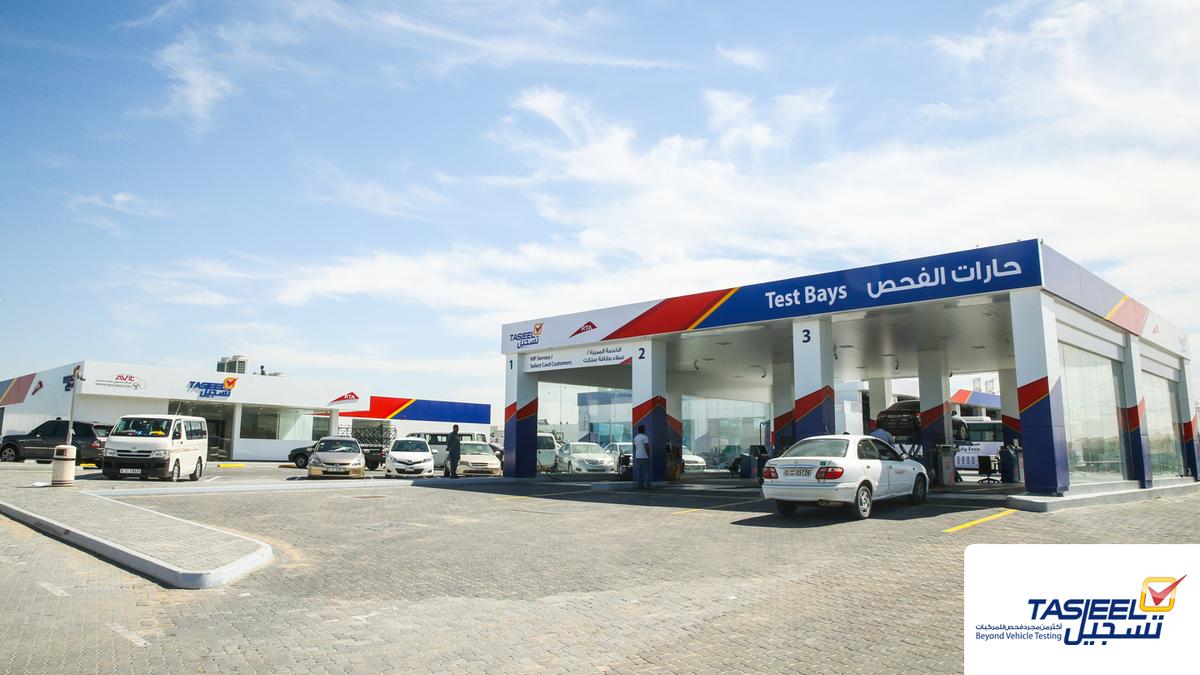
    Because so many categories are available in a single location, Al Aweer auto market remains one of Dubai’s most efficient and convenient places to buy or sell a car without needing to visit multiple showrooms across the city.

    How to Buy a Car at Al Aweer Auto Market

    al aweer auto market

    Buying a car at Al Aweer auto market is straightforward once you understand how the process works. This Dubai auto market is designed for buyers who want transparency, direct access to dealers, and the ability to compare multiple options in one place. Here is a clear step-by-step guide to help you navigate the process smoothly.
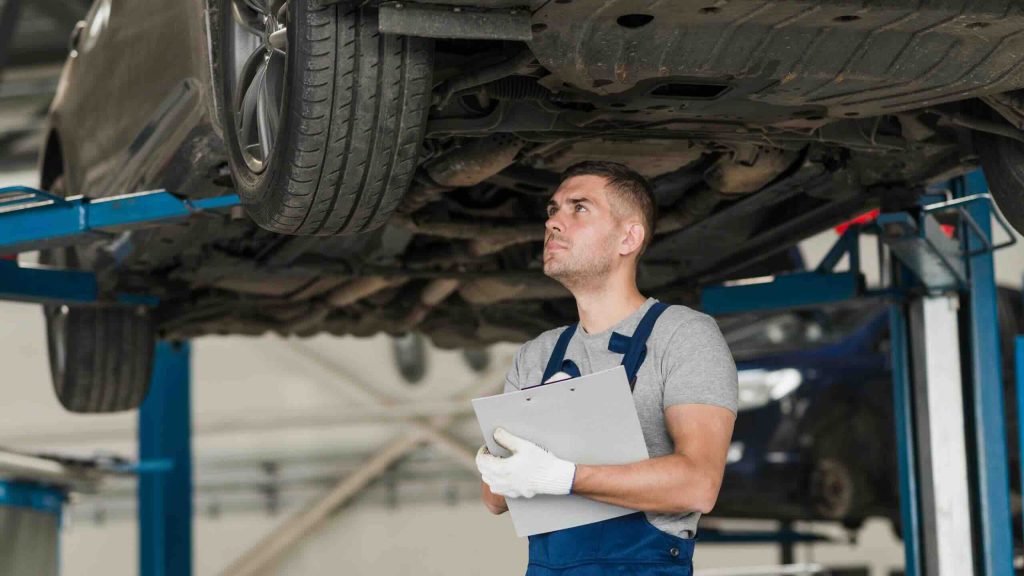

    Step 1: Explore the Showrooms and Shortlist Cars

    Walk through the different showrooms to compare options, check prices, and see what fits your budget. Most dealers will allow you to inspect the car on-site and review basic details such as mileage, accident history, and service records.

    Tip: If you want to save time, you can also shortlist car options and contact dealer online through alaweerautomarket.com before visiting in person.

    Step 2: Inspect the Car Thoroughly

    Once you find a car you like, inspect:

    • Exterior and paint condition
    • Interior wear and features
    • Tyres, brakes, engine sound, and suspension feel
    • Service history, which is very important in Dubai

    Many dealers also allow a test drive so you can experience the car and verify its condition. You can request this directly at the showroom.

    It is strongly recommended to hire a third-party inspection company for a detailed mechanical and body check before committing to the purchase at any Dubai auto market.

    Tip: To be better prepared, you can arrange or schedule an inspection or test drive in advance by coordinating with dealers through alaweerautomarket.com before visiting in person.

    Step 3: Request an RTA Passing Test

    Before completing the purchase, the car should pass an RTA inspection to confirm identity, roadworthiness, and chassis condition. There is the Al Aweer Tasjeel vehicle testing center located near this Dubai auto market.

    In most cases, the seller or dealer is responsible for taking the car for the RTA passing test, as it demonstrates that the vehicle meets the required standards before sales. However, buyers who want extra peace of mind can also request or arrange an additional test if they prefer.

    If the vehicle does not pass, the issues must be corrected before it can be registered or transferred.

    Step 4: Agree on the Final Price

    Negotiate the price. This is normal and expected at Al Aweer auto market. Dealers often have room to adjust the price or include added services such as:

    • Assistance with registration
    • Basic warranty or service packages in some cases
    • Minor repairs, polishing, or detailing
    • Better insurance options through their insurance partners

    Step 5: Complete the Sale Agreement

    Once you and the dealer agree on a price:

    • The dealer will prepare a sales agreement or invoice
    • You should verify that the chassis number, plate number, and car details match the vehicle
    • Keep copies of all documents and payment receipts

    If you are planning to finance the vehicle through a bank, the dealer can usually assist with arranging car finance through their banking partners, especially if you have not already secured a loan yourself. In this case, the sale agreement may be used by the bank as part of the approval and disbursement process.

    Never make full payment without proper documentation.

    Step 6: Visit RTA for Ownership Transfer

    Both the buyer and seller or dealer must visit an RTA approved centre to complete the ownership transfer.

    You will typically need:

    • Emirates ID
    • Valid insurance policy for the car
    • RTA passing test result
    • Existing registration card (Mulkiya)

    Once the process is completed, RTA will issue a new Mulkiya in the buyer’s name.

    Step 7: Insurance and Registration

    Before the final transfer, insurance must be activated in the buyer’s name.Most dealers can connect you with insurance representatives who can provide different options and issue the policy on the spot.

    Once insurance is active in the RTA system, registration is completed at the same RTA centre, and number plates are issued or updated if needed.

    Step 8: Final Handover

    After the ownership transfer is complete, the dealer will:

    • Hand over the car keys
    • Provide service records or warranty documents if available
    • Give you the final stamped receipt and sale agreement

    At this point, the process is complete and you can drive away with your car.

    Tips for Getting the Best Deal at Al Aweer Auto Market

    With so many showrooms in one place, Al Aweer auto market gives buyers a strong advantage when it comes to comparing prices and negotiating. Here are practical tips to help you secure the best possible deal:

    1. Compare Prices Across Multiple Showrooms

    Even if you find a car you like immediately, always check a few neighboring showrooms. Because this Dubai auto market has hundreds of licensed dealers, prices for similar models can vary noticeably based on:

    • Condition
    • Mileage
    • GCC vs. non-GCC specification
    • Dealer buying cost

    This simple comparison often helps buyers save thousands of dirhams.

    2. Ask for the Full Service History

    Cars in Dubai usually have digital service records, especially if they were maintained by the agency.

    Dealers will often provide:

    • Full service report
    • Previous owner information (basic)
    • Condition reports

    A car with a clean and consistent service history almost always justifies its price.

    3. Use an Independent Inspection Service

    Even though many dealers are transparent, it is always wise to:

    • Hire a third-party inspection company
    • Get a full mechanical, chassis, and electrical check
    • Request a diagnostic scan

    This small investment gives you strong negotiating power if the inspection reveals minor issues.

    4. Check the RTA Passing Validity

    If the car has not been tested recently, it is strongly recommended to request a fresh RTA passing test before completing the purchase. This ensures the vehicle meets RTA safety and mechanical standards at the time of sale and protects you from unexpected issues. Even if the dealer provides an old passing report, ask for a new one to be done before finalizing the deal.

    5. Negotiate — It Is Expected

    Al Aweer operates differently from official agency showrooms. Negotiation is often part of the culture.

    You can negotiate on:

    • Price
    • Registration fees
    • Minor repairs
    • Polishing and detailing
    • Full tank of fuel (some dealers do offer this)
    • Insurance discounts

    Dealers expect negotiation, so don’t hesitate.

    6. Clarify Insurance Options

    Dealers often have partnerships with insurance companies and can secure:

    • Better pricing
    • Faster activation
    • More comprehensive packages

    Use these quotes as a comparison against online insurance platforms to get the best deal.

    7. Consider Total Cost, Not Just Price

    A cheaper car upfront may cost more long term if it has:

    • Higher mileage
    • Poor service history
    • More wear and tear
    • Non-GCC specs (sometimes harder to insure or resell)

    Always calculate maintenance and future resale value before committing.

    8. Use the Dedicated Digital Platform Before Visiting

    Before heading to the market, browsing the digital platform alaweerautomarket.com can save you a significant amount of time. The platform allows you to review available listings from verified dealers inside Al Aweer auto market, compare prices, check car details, and shortlist vehicles you want to see in person. This helps you arrive at the market with a clear plan, focused options, and a better idea of fair pricing, making the buying process faster, more efficient, and more confident.

    Bringing the Experience Online

    As Dubai continues to embrace digital transformation, the way people buy and sell cars is changing too. What was once limited to visiting showrooms in person is now becoming a simple and convenient online experience.

    Alaweerautomarket.com brings the essence of physical Al Aweer auto market into the digital world. Visitors can browse listings, connect directly with trusted dealers, and explore the same community they know from the physical market, all within one dedicated platform.

    The platform brings together the trust and reputation of Al Aweer auto market with the speed and ease of the digital world, making car trading in Dubai more accessible than ever. It creates an experience that feels familiar yet forward-looking for both dealers and buyers.

    Benefits for Dealers and Buyers

    The digital platform is designed to connect dealers and buyers in one trusted online space.

    Benefits for Dealers:

    For dealers it offers more than just visibility, it gives them a digital twin of their real-world presence inside Al Aweer auto market. Every showroom can showcase its vehicles on a platform built specifically for this community, with features tailored to their business and customers. This approach helps dealers strengthen their credibility and reach the right audience without losing their local identity.

    Benefits for Buyers:

    For buyers, the platform makes it easy to explore cars from verified dealers, compare options, and connect directly with dealers they can trust, all from their screens. Apart from listings, it will also introduce car-related services that simplify every step of owning or trading a car.

    A New Chapter for Al Aweer Auto Market

    Al Aweer auto market has long been at the heart of Dubai’s automotive scene, and its digital extension is the next step in that story. The new digital platform brings together the heritage of the physical market with the opportunities of the online world, creating a space built on trust, community, and progress. 

    As it grows, it will continue to evolve with the needs of dealers and car buyers across the UAE and beyond. This is only the beginning of a new chapter, one where Dubai’s most recognized car market meets the convenience of the digital age.

    FAQs About Al Aweer Auto Market

    1. Where is Al Aweer Auto Market located?

    Al Aweer auto market is located in Ras Al Khor, specifically in Ras Al Khor Industrial Area 3, Dubai’s main automotive and industrial zones. Many people also refer to this Dubai auto market as the Ras Al Khor auto market.

    2. What types of cars can I find there?

    You can find almost every category of vehicle, including sedans, SUVs, luxury cars, sport cars, commercial vehicles, and export-ready models, all in one location.

    3. Can I buy a used car in Dubai directly from Al Aweer Auto Market?

    Yes. The market is one of the most trusted places to buy a used car in Dubai due to its large number of licensed and reputable dealers.

    4. Are all dealers in the market licensed?

    Yes. Showrooms inside the market operate under valid trade licenses issued by Dubai authorities, which helps ensure transparency and trust.

    5. Can I negotiate prices with dealers?

    Negotiation is common and expected in Al Aweer auto market. Prices often have some flexibility depending on the vehicle’s condition, mileage, and current market demand. However, not all dealers are open to negotiation, so it’s best to compare prices across multiple showrooms, understand the fair market value of the car you want, and approach discussions respectfully and realistically.

    6. Do dealers offer RTA passing services?

    Most dealers handle the RTA passing test before finalizing the sale. Buyers can also request an independent inspection if they prefer added peace of mind.

    7. Can I sell my car at Al Aweer Auto Market?

    Yes. You can approach multiple dealers for evaluations and offers. Many sellers visit the market to compare quotes before deciding. You can also use the dedicated website of Al Aweer auto market to list your car for sale to available dealers at the market.

    8. Is it possible to arrange car finance at Al Aweer Auto Market?

    Many dealers have partnerships with banks and can assist with arranging car loans if you prefer to finance your purchase.

    9. Can I browse cars online before visiting?

    Yes. You can view available listings and connect with verified dealers through alaweerautomarket.com, the dedicated digital platform of Al Aweer auto market.